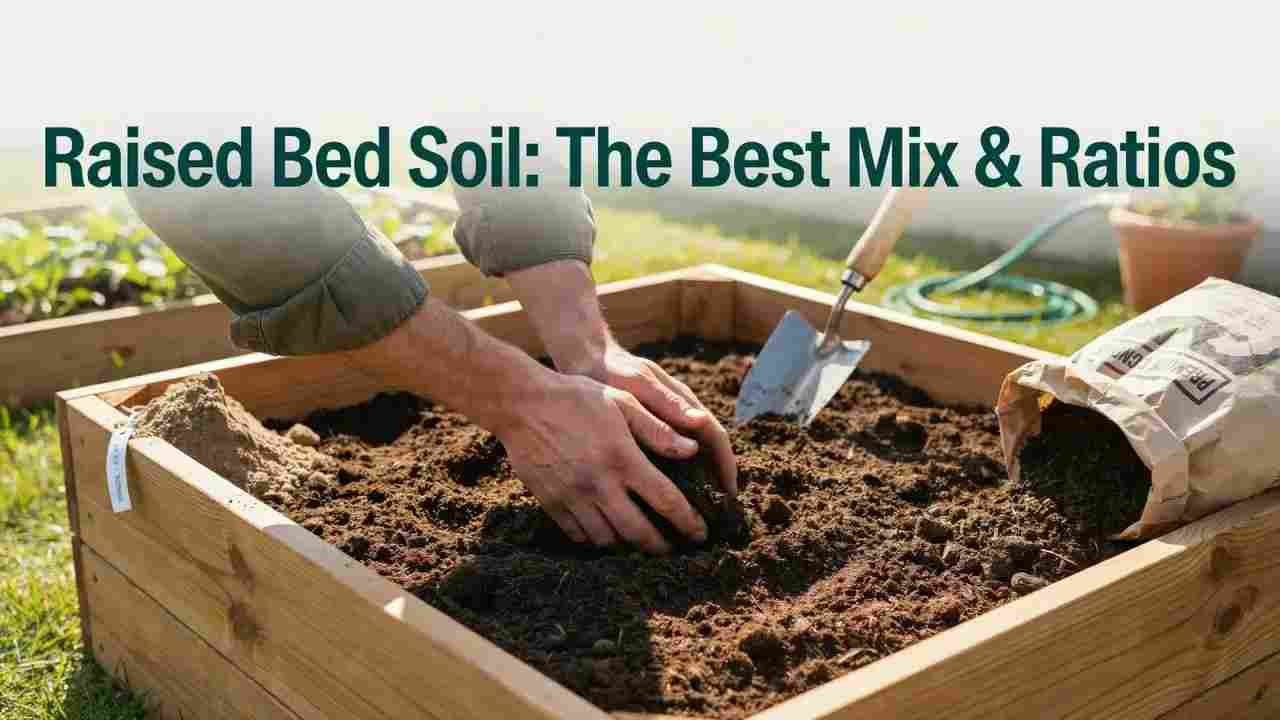
Raised Bed Soil: The Best Mix, Recipes, and Ratios
Your raised bed harvest depends on one thing more than any other: the soil you fill it with. Get the mix right and plants thrive with little effort. Get it wrong and you fight poor drainage, weak growth, and weeds all season. The good news is that good raised bed soil is simpler than the many conflicting recipes online suggest. This guide covers the best mix, three proven recipes by bed depth, and what to avoid.
What Makes a Good Raised Bed Soil?
Before any recipe, it helps to know what you are aiming for. Good soil does three jobs at once.
It drains freely, so water never pools and roots never rot. It holds enough moisture and nutrients to carry plants between waterings. And it stays loose and crumbly, so roots push through with ease.
Gardeners call that ideal balance loam. It is a blend of mineral particles and organic matter that is rich but never dense. For a raised bed, aim for organic matter at roughly 25 to 50% of the mix. The Old Farmer’s Almanac points to that same range as the sweet spot for most crops. The rest is mineral material, which gives the soil its body and structure.
The Best Raised Bed Soil Mix (Simple Formula)
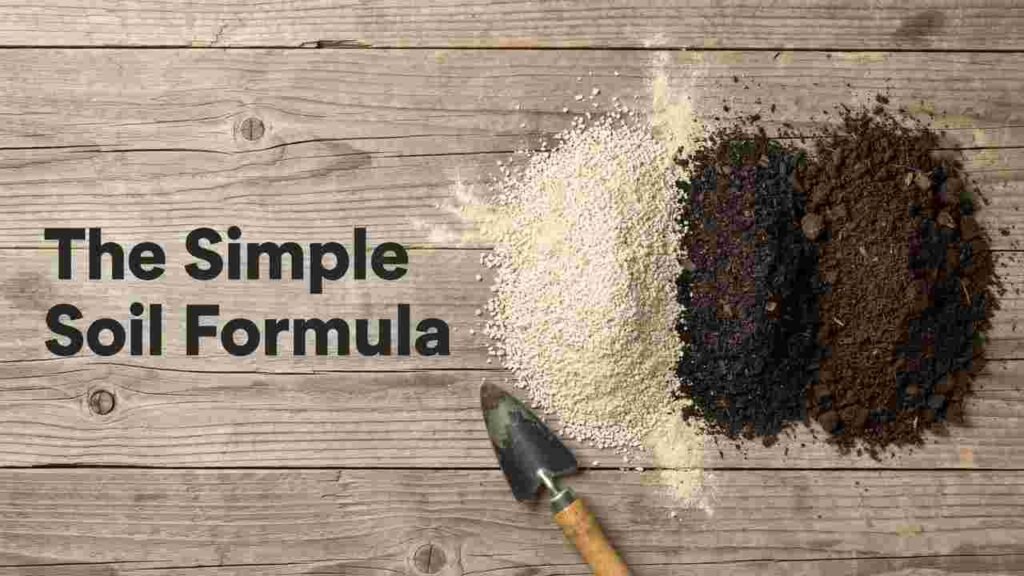
If you want one reliable answer, here it is. A great all-purpose raised bed soil is roughly:
- 50% topsoil
- 30 to 40% compost
- 10 to 20% coarse sand or perlite
Each ingredient has a job to do.
Topsoil forms the body of the mix. It gives roots something to anchor into and supplies minerals and structure. Use a screened, weed-free topsoil rather than dense subsoil.
Compost is the engine. It feeds plants, holds moisture, and supports the soil life that keeps a bed healthy. This is where most of your nutrients come from.
Coarse sand or perlite keeps everything loose. It opens up air pockets so water drains and roots breathe. Without it, a mix can pack down over time.
That balance is the best soil for raised beds in most situations. From here, you can adjust to your bed.
3 Proven Raised Bed Soil Recipes
Different beds call for slightly different blends. The main variable is depth. Shallow beds need a lighter, more moisture-retentive mix, while deep beds can lean on more topsoil to save money. Here are three recipes that work.
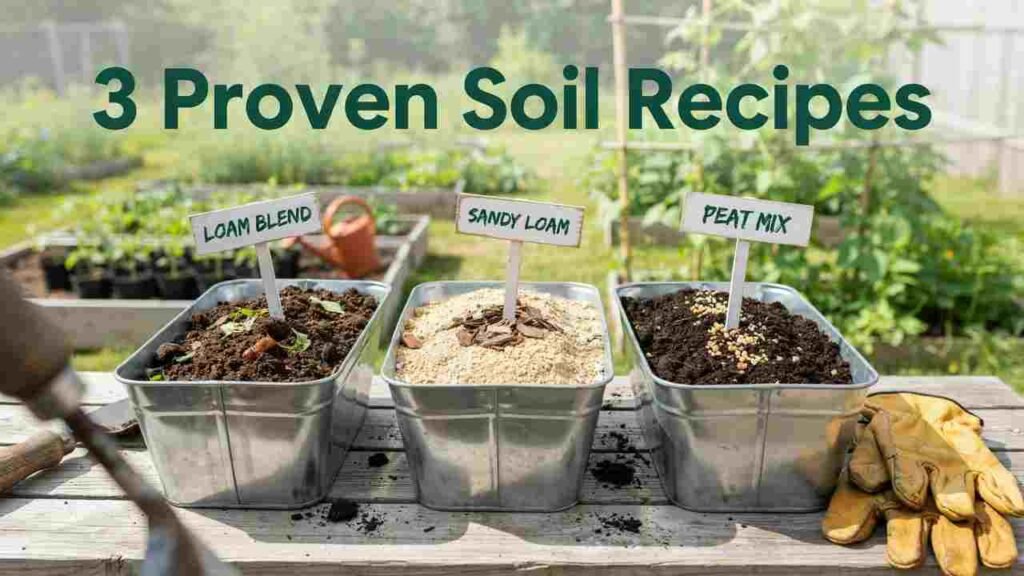
| Recipe | Blend | Best for |
|---|---|---|
| Mel’s Mix | ⅓ compost, ⅓ peat or coco coir, ⅓ coarse vermiculite | Shallow beds up to 10 in |
| Classic three-way | ⅓ topsoil, ⅓ compost, ⅓ coarse sand | Beds 10 to 18 in |
| Extension blend | 60% topsoil, 30% compost, 10% sand or perlite | Deep or large beds |
Mel’s Mix comes from Mel Bartholomew’s Square Foot Gardening method. It uses no topsoil at all, which makes it light and perfect for shallow beds, though the vermiculite and peat make it the priciest option.
The classic three-way blend of equal parts topsoil, compost, and coarse sand is a proven middle ground. Iowa State University Extension recommends this same equal-parts approach, or a simpler mix of about 70% topsoil and 30% compost.
The extension blend leans on topsoil, which makes it the cheapest to scale. It is the practical choice when you are filling a large or deep bed and buying by the cubic yard.
Raised Bed Soil vs Garden Soil vs Potting Mix
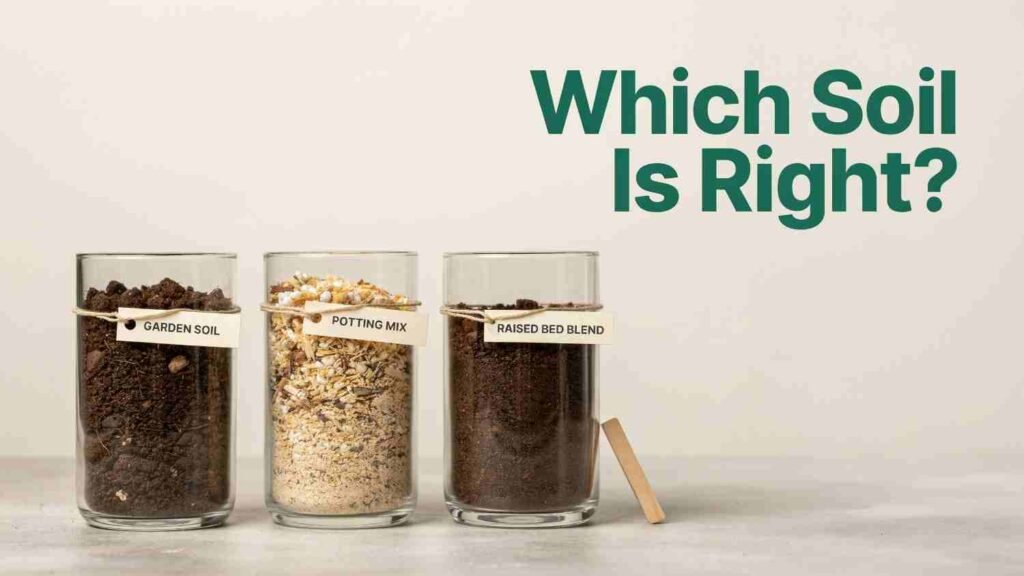
These three products get confused constantly, and using the wrong one is a common mistake. The difference is simple.
Garden soil is dense and heavy. It is meant to be dug into existing ground, not used alone in a bed, where it compacts and drains poorly.
Potting mix is the opposite. It is light and fluffy for containers, but in a raised bed it dries out too fast and costs too much to fill a large space.
Raised bed soil sits right between the two. It has the body of garden soil and the drainage of potting mix, which is exactly what a bed needs. If you buy a bagged blend, choose one labeled for raised beds rather than either extreme.
What Not to Put in a Raised Bed
A few fillers seem convenient but cause problems later. Avoid these.
Pure native or garden soil. On its own it compacts into a hard block and often brings weed seeds. Iowa State Extension also warns that imported topsoil can carry contaminants like lead or pesticide residue, so know your source.
Pure compost or potting mix. Too much organic matter feels rich, but it sinks as it breaks down and dries out quickly. Compost belongs in the mix, not as the whole mix.
The goal is always a balance of mineral material and organic matter, never one alone.
How Deep Should the Soil Be?
Most vegetables are happy with 6 to 12 inches of soil. Leafy greens and herbs manage at the shallow end, while root crops like carrots and beets want the deeper end to grow straight.
Whatever your bed height, fill it close to the top. Shallow soil is one of the most common beginner mistakes, since roots run out of room and the bed dries out fast.
How Much Soil Do You Need?
Work out the volume before you buy. The formula is simple: length times width times depth, with all measurements in feet.
A 4 by 8 foot bed filled 12 inches deep needs 32 cubic feet, or about 1.2 cubic yards. Bagged soil usually comes in 1.5 cubic foot bags, so that is roughly 21 bags.
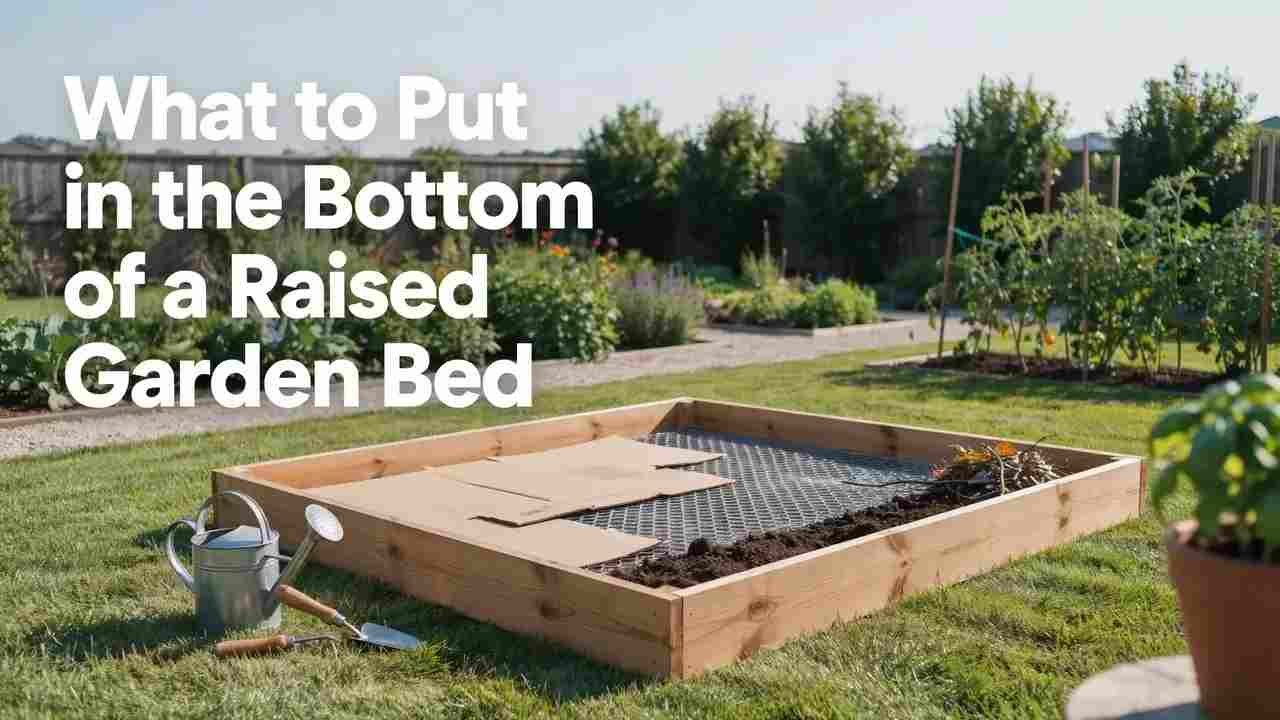
For a deep bed, you do not need premium soil all the way down. Fill the bottom third with coarse organic matter like logs, branches, and leaves, then top it with your soil mix. This saves money and improves drainage over time. <!– TODO: link “Raised Bed Soil Calculator” post when published –> <!– TODO: link “What to Put in the Bottom of a Raised Bed” post when published –>
Get the pH Right
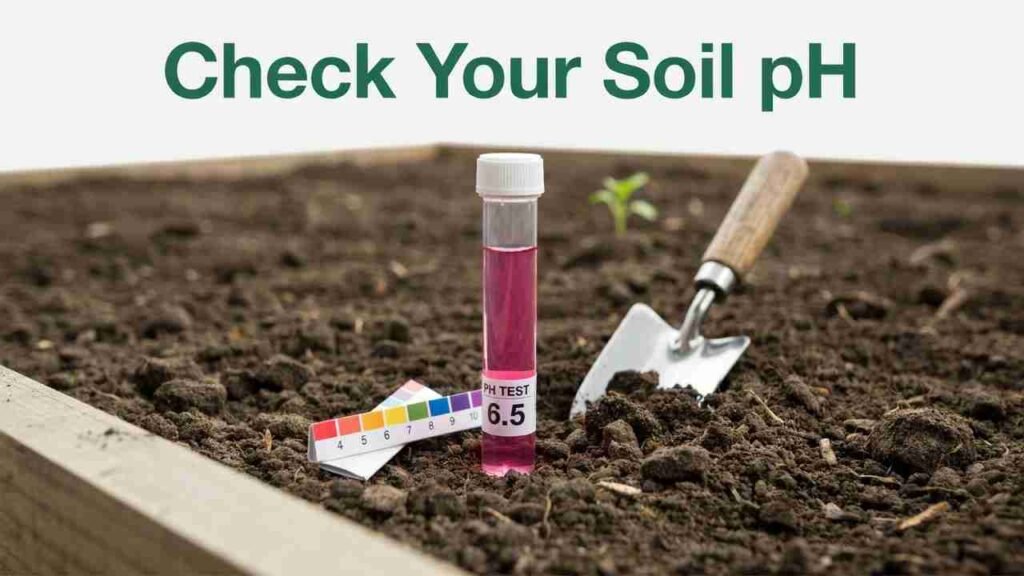
Even a perfect mix underperforms if the pH is off. Most vegetables take up nutrients best in soil with a pH between 6.0 and 7.0.
A cheap soil test kit tells you where you stand in minutes. It is a small step that prevents a frustrating season of pale, struggling plants that cannot access the nutrients around them.
Bagged vs DIY Raised Bed Soil
Both routes work, and the right one depends on your budget and bed size.
Bagged raised bed soil is convenient and consistent. You know what you are getting, and it is easy for one or two small beds. The downside is cost, which adds up fast on a large bed.
Mixing your own is cheaper by volume, especially if you buy topsoil and compost in bulk from a local landscape supplier. It takes more effort, but for filling several beds it saves a real amount of money.
Frequently Asked Questions
What is the best soil mix for a raised vegetable bed?
A blend of about 50% topsoil, 30 to 40% compost, and 10 to 20% coarse sand or perlite suits most vegetables. It drains well, feeds plants, and stays loose. Nudge the compost up slightly for heavy feeders like tomatoes.
Can you use regular garden soil in a raised bed?
Not on its own. Garden soil is too dense for a raised bed and often carries weed seeds. It can work as part of a blend, mixed with plenty of compost and some aeration, but never as the only ingredient.
How much compost should be in raised bed soil?
Aim for compost at about 25 to 50% of the mix by volume. Less than that and plants may run short on nutrients. More than that and the soil sinks and dries out as the compost breaks down.
How deep should soil be in a raised bed?
Most vegetables need 6 to 12 inches of soil. Root crops like carrots want the deeper end. Fill the bed close to the top, since shallow soil limits roots and dries out fast.
How much soil do I need for a 4×8 raised bed?
A 4 by 8 foot bed that is 12 inches deep holds about 32 cubic feet, or roughly 1.2 cubic yards. That is around 21 bags at 1.5 cubic feet each. For deeper beds, fill the bottom with coarse organic matter to cut the cost.
Start With the Right Mix
The best raised bed soil is not complicated. A blend of topsoil, compost, and a little aeration gives your plants everything they need to thrive. Match the recipe to your bed depth, keep the organic matter in balance, and check the pH before you plant.
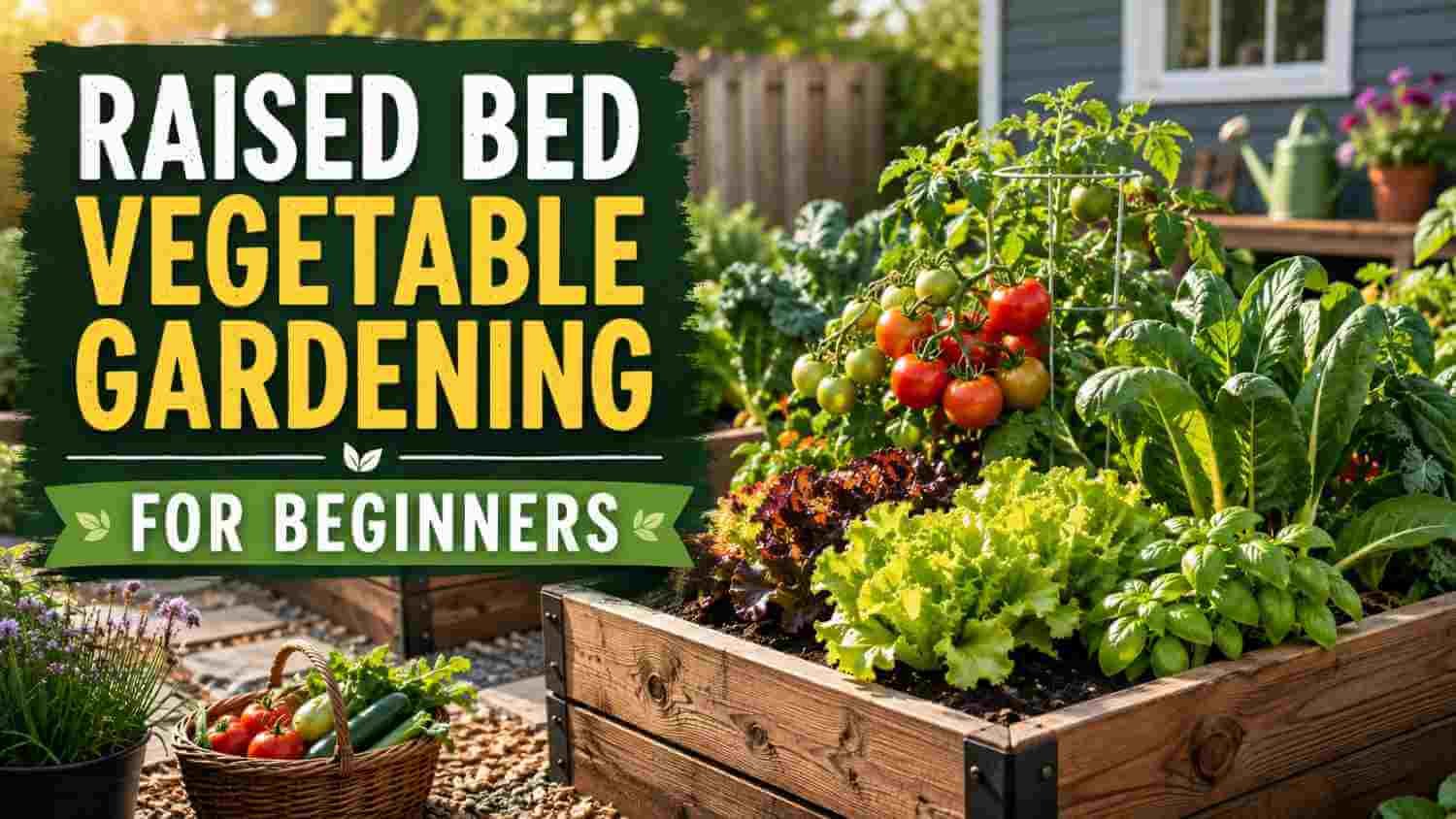
Best of all, the formula is forgiving. Work with what your local supplier stocks, and adjust from there season to season. For the full picture on building and planting your beds, see our guide to raised bed vegetable gardening for beginners.