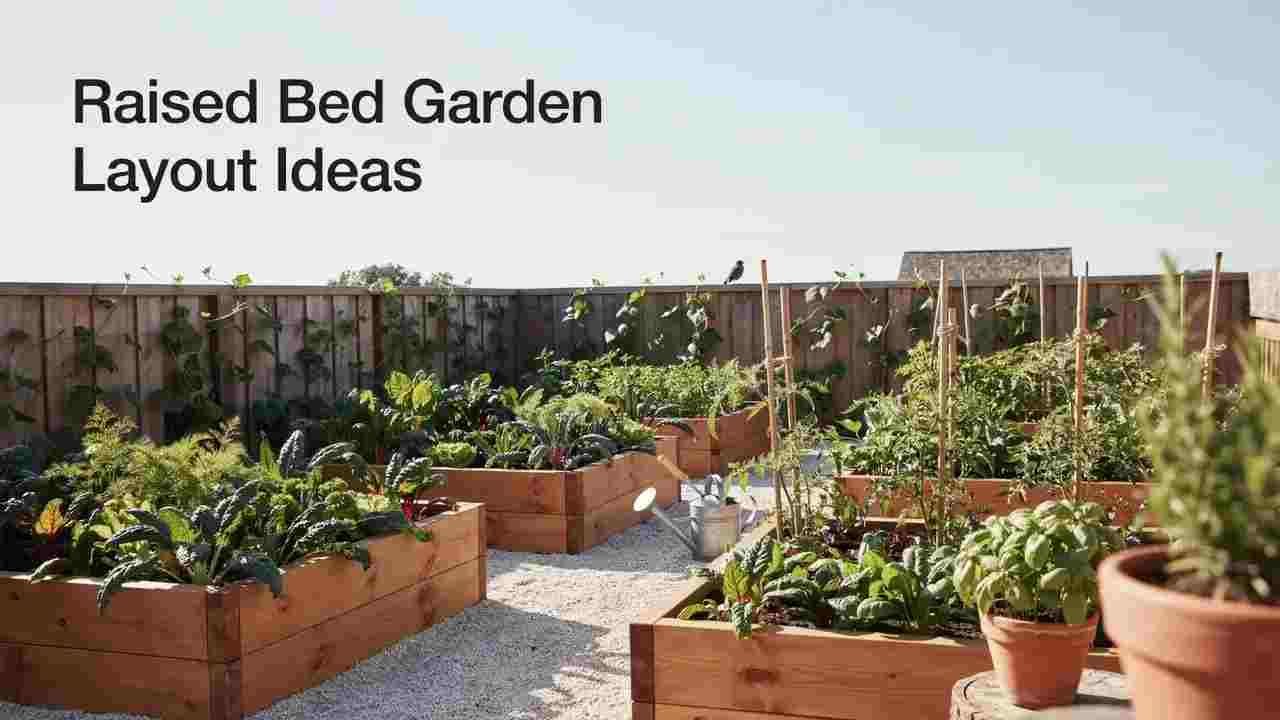
Raised Bed Garden Layout: 10 Ideas and How to Plan Yours
The right raised bed garden layout does two things at once: it grows more food and asks for less work. A good plan puts sun-loving crops in the light, keeps every plant within easy reach, and leaves room to walk and harvest. This guide covers 10 layout ideas, from how you arrange the beds themselves to how you plant inside them, plus the simple planning steps that make any layout work.
How to Plan a Raised Bed Garden Layout
Before you pick a design, sort out four basics. They apply to every layout that follows.
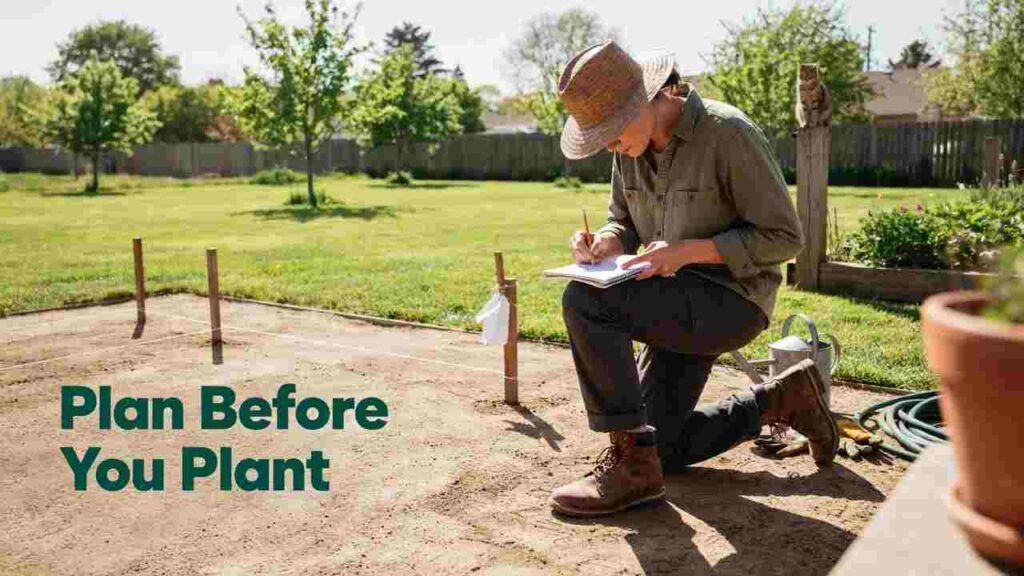
Follow the sun. Most vegetables need 6 to 8 hours of direct light. Watch your space across a day and place beds where the sun actually falls, not where it is convenient.
Orient beds north to south. Running beds in this direction gives plants even light through the day and reduces the shade tall crops cast on shorter ones.
Keep beds no wider than 4 feet. That way you can reach the center from either side without stepping on the soil and compacting it. If a bed sits against a wall, keep it to 2 or 3 feet.
Leave room to walk. Paths of 18 to 24 inches are enough to kneel and work. Make at least one path 30 inches or wider if you want to bring a wheelbarrow through.
10 Raised Bed Garden Layout Ideas
These fall into two groups: how you arrange the beds across your space, and how you plant within a single bed. Mix ideas from both.
Arranging Your Beds
1. The single starter bed. One 4×8 bed is the ideal first layout. It grows a real amount of food while staying easy to manage, and you can add more beds next season once you know your rhythm.
2. The classic duo or trio. Two or three matching beds placed in parallel frame a central path and look intentional. Dedicate each bed to a group, such as greens in one, roots in another, herbs in the third.
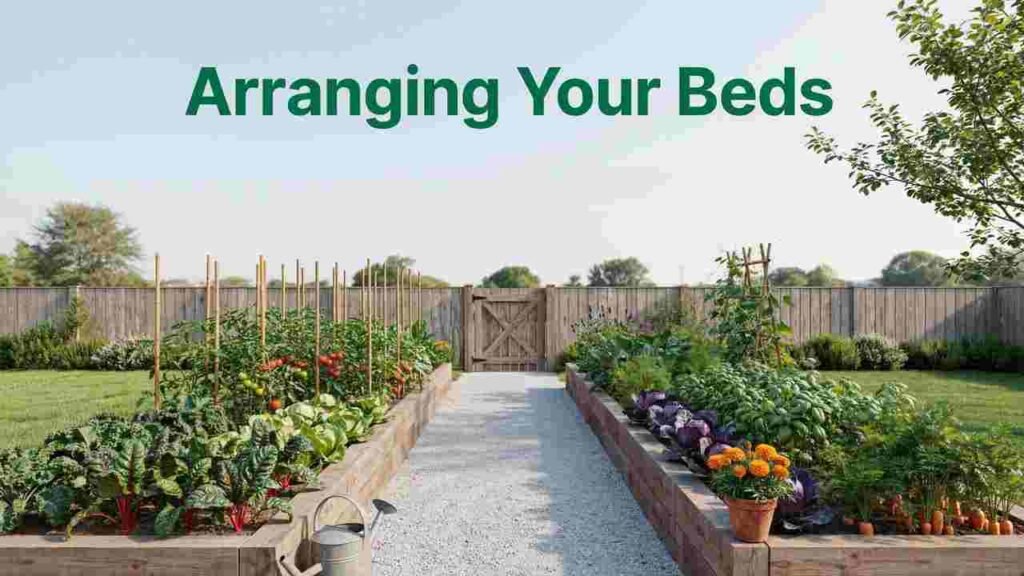
3. The U-shape. Three beds arranged in a horseshoe let you stand in the middle and reach everything without walking around. It packs a lot of growing space into a small footprint.
4. The keyhole bed. A notch cut into one side gives you access to the center of a larger bed. Many keyhole designs add a compost basket in the middle to feed the soil as you go.
5. The potager grid. Four or more beds set in a grid with cross paths create a classic kitchen-garden look. It is as pretty as it is productive, which suits a front yard or a focal point.
6. The L-shaped corner. An L-shaped bed tucks neatly into the corner of a patio, deck, or fence line. It turns an awkward edge into usable growing space.
Planting Within a Bed
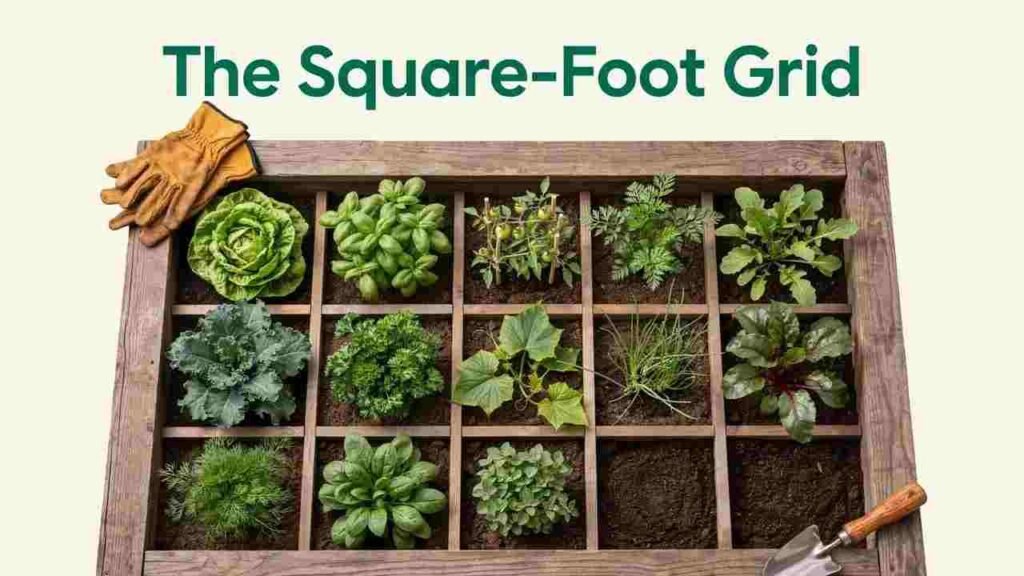
7. The square-foot grid. Divide the bed into a grid of 1-foot squares and plant each by size, one tomato, four lettuces, or sixteen radishes. This method, from Mel Bartholomew’s Square Foot Gardening, keeps beginners organized and maximizes yield.
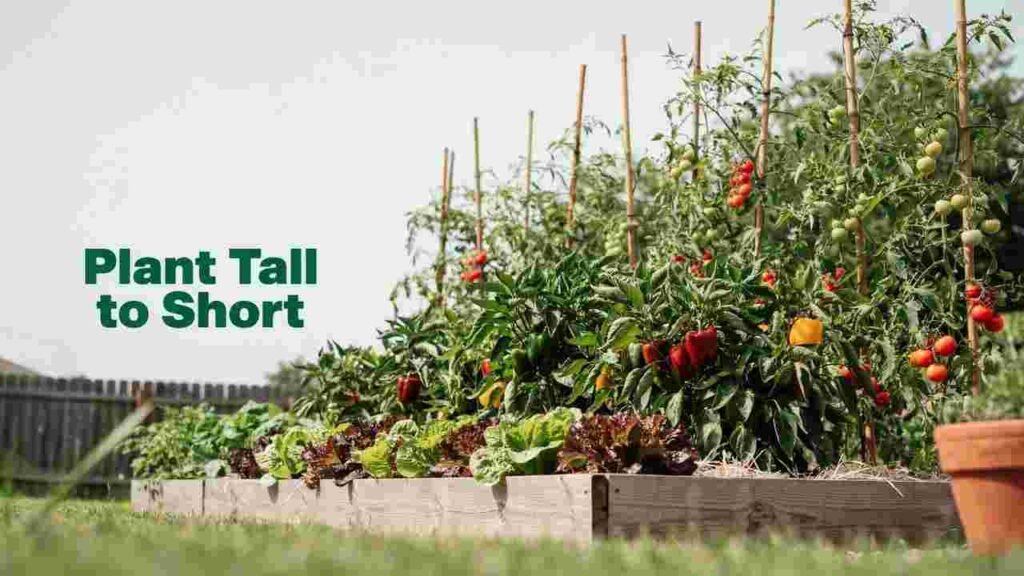
8. Rows by height. Plant in rows sorted tall to short, so nothing shades its neighbor. This is the simplest productive pattern and works in any rectangular bed.
9. Companion planting blocks. Group plants that traditionally grow well together, like tomatoes with basil, or carrots with onions. It is a long-used approach to make good use of space and pair crops thoughtfully.
10. Vertical and succession. Put a trellis along the north end for climbing beans or cucumbers, and keep a square or two for quick crops you replant every few weeks. This squeezes the most out of a small bed.
How to Arrange Plants in a Raised Bed
Whichever pattern you choose, one rule guides all of them: plant by height, back to front.
Place your tallest crops along the north side, so they do not cast shade over shorter plants. Indeterminate tomatoes, pole beans, corn, and anything on a trellis belong here.
Set mid-height crops like peppers, bush beans, and broccoli through the middle. Keep low growers such as lettuce, radishes, and carrots along the front, where they get full light and are easy to pick.
Give each plant the room it needs at maturity, not the size it is now. Check the seed packet for final spread. Let spreading or trailing plants sit near an edge, so they spill over the side instead of crowding the bed.
Popular Bed Sizes and What Fits
The size of your bed shapes your layout. Here are the most common sizes and what each suits best.
| Bed size | Reach | Good for |
|---|---|---|
| 4×4 ft | From all sides | Beginners, herbs, salad greens |
| 4×8 ft | From both long sides | The all-rounder, most vegetables |
| 2×4 ft | From one side | Balconies, patios, tight spots |
| 3×6 ft | From both sides | Narrow yards and side returns |
Once you settle on a size, work out how much soil it needs with our raised bed soil calculator before you shop. For a full planting plan built around the most popular size, see our dedicated 4×8 layout guide.
Frequently Asked Questions
What is the best layout for a raised bed vegetable garden?
For most gardeners, a square-foot grid or simple rows sorted by height work best. Keep the bed no wider than 4 feet, and place tall crops on the north side. The right choice depends on your space and how much you want to grow.
How wide should a raised bed be?
No wider than 4 feet. That lets you reach the center from both sides without stepping on the soil. If the bed is against a wall or fence, keep it to 2 or 3 feet so you can still reach the back.
How do you arrange vegetables in a raised bed?
Plant tall to short, back to front. Tall crops like tomatoes go on the north side, mid-height crops in the middle, and low growers like lettuce at the front. Space each plant by its mature size.
How far apart should raised beds be?
Leave paths of at least 18 to 24 inches between beds so you can kneel and work comfortably. Make at least one path 30 inches or wider if you plan to use a wheelbarrow.
What is the square-foot gardening method?
It divides a raised bed into a grid of 1-foot squares, with each square planted by size. You might grow one tomato, four lettuces, or sixteen radishes per square. It keeps planting organized and makes the most of a small bed.
Start With a Plan, Then Plant
A good raised bed garden layout starts with the basics: sun, access, and beds you can reach across. Get those right, then choose a configuration and a planting pattern that fit your space and your favorite crops.
You do not need a complex design to grow well. Begin with one bed and a simple pattern, and expand as you learn. For the full guide to building and growing in beds, see our guide to raised bed vegetable gardening for beginners.