12 Easy Vegetables to Grow for Beginners in Small-Space Gardens
Starting a vegetable garden is much easier when you choose crops that match your space, season, and experience.
Some vegetables need careful training or a long growing season. Others are much more forgiving.
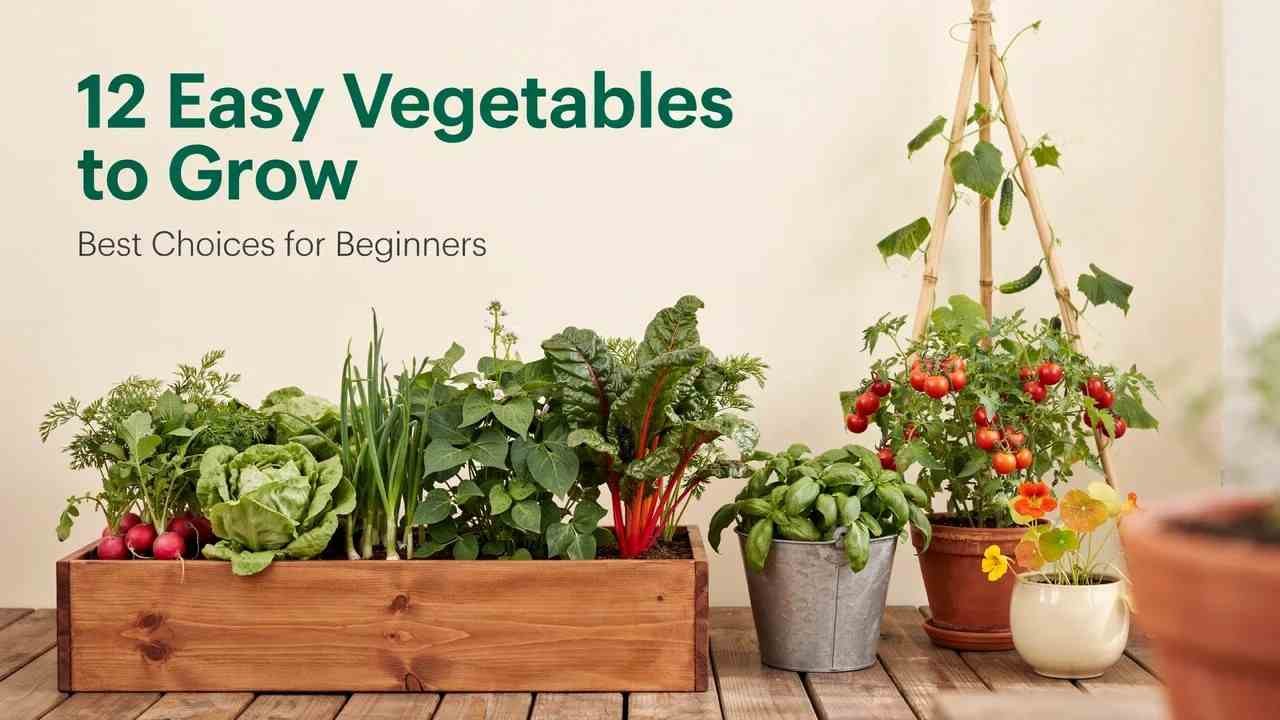
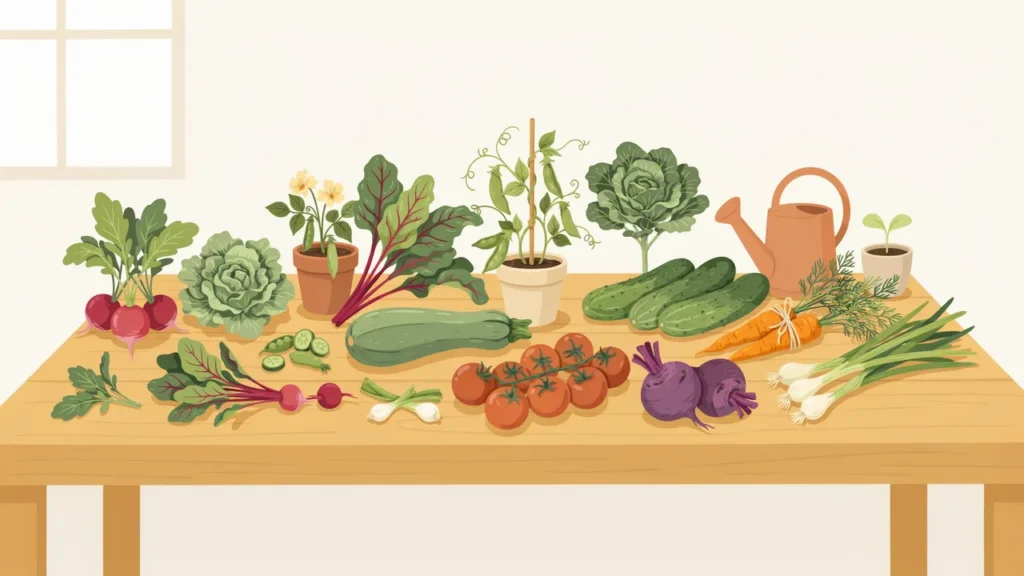
The easy vegetables to grow for most beginners include radishes, leaf lettuce, bush beans, Swiss chard, peas, kale, zucchini, cucumbers, carrots, cherry tomatoes, beets, and green onions.
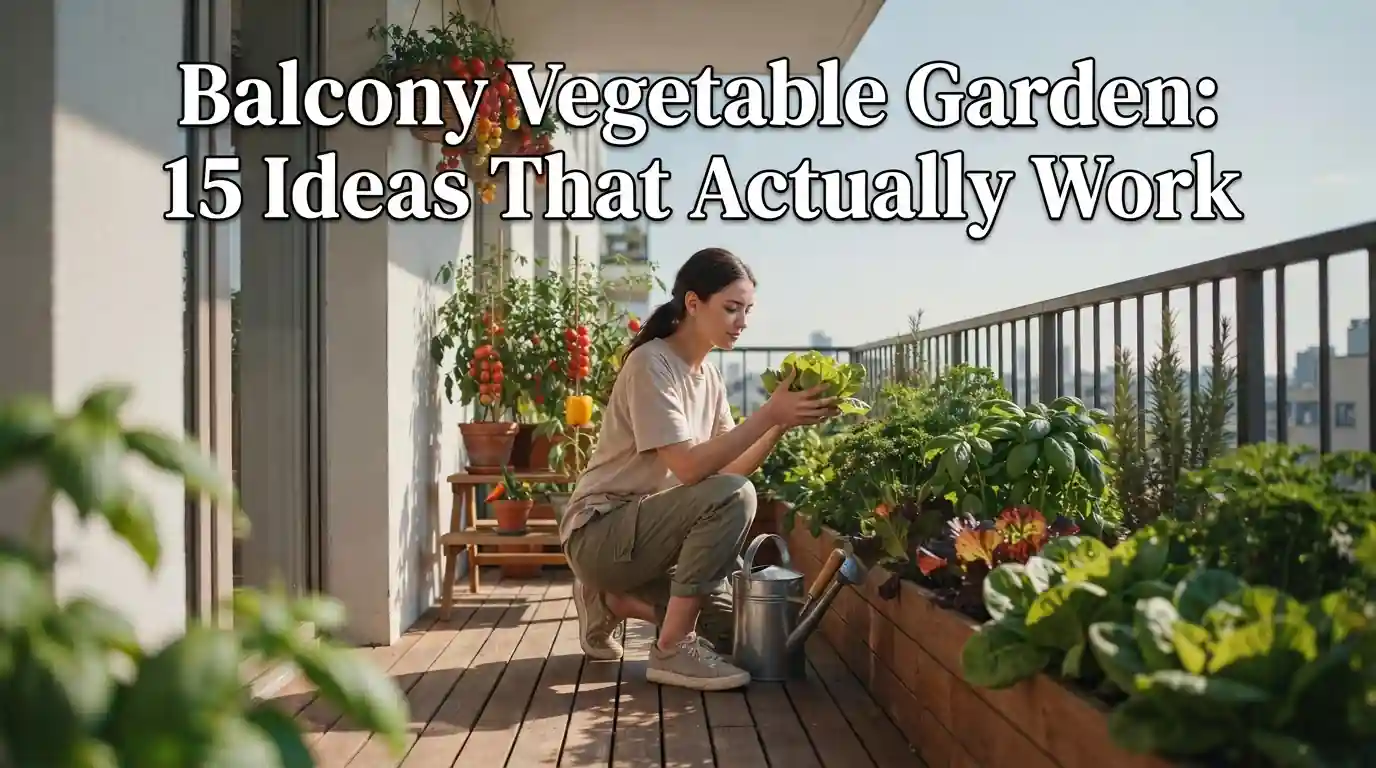
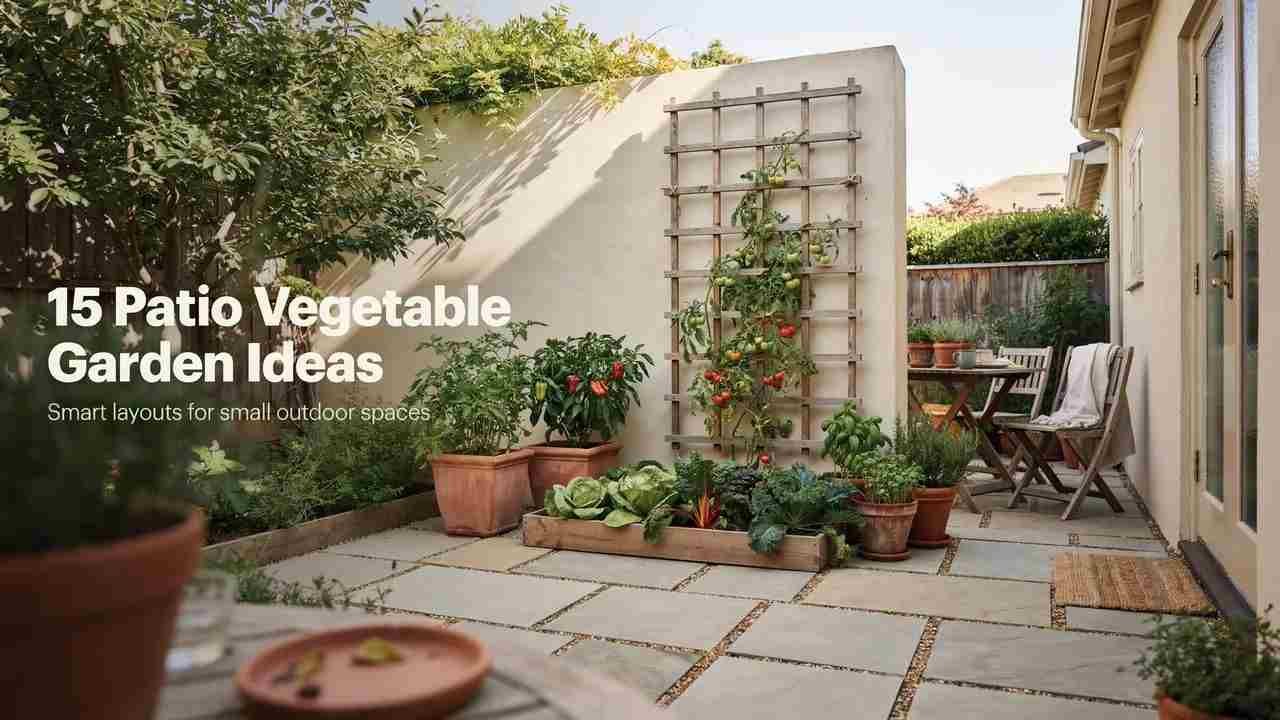
You do not need a large backyard either. Many of these crops work in containers, raised beds, patios, and compact garden plots.
The key is choosing vegetables that fit your conditions instead of trying to grow everything at once.
Quick Comparison of Easy Vegetables to Grow
There is no single easiest crop for every gardener. Temperature, sunlight, available room, and planting season all matter.
| Vegetable | Difficulty | Best Season | Start From | Space Needed | Small-Space Friendly |
|---|---|---|---|---|---|
| Radishes | Very easy | Cool | Seed | Very low | Yes |
| Leaf lettuce | Very easy | Cool | Seed | Low | Yes |
| Bush beans | Very easy | Warm | Seed | Low | Yes |
| Swiss chard | Easy | Cool to mild | Seed or transplant | Low | Yes |
| Peas | Easy | Cool | Seed | Low | Yes, with support |
| Kale | Easy | Cool | Seed or transplant | Low | Yes |
| Zucchini | Easy | Warm | Seed or transplant | High | Sometimes |
| Cucumbers | Easy | Warm | Seed or transplant | Moderate | Yes, vertically |
| Carrots | Easy to moderate | Cool | Seed | Low | Yes |
| Cherry tomatoes | Easy to moderate | Warm | Transplant | Moderate | Yes |
| Beets | Easy | Cool | Seed | Low | Yes |
| Green onions | Very easy | Cool to mild | Seed or sets | Very low | Yes |
Many of these vegetables can be grown successfully in compact plots or containers when suitable varieties are selected.
What Makes a Vegetable Easy to Grow?
An easy vegetable should give a new gardener a reasonable chance of success without requiring complicated care.
Beginner-friendly crops often share several traits:
- They establish reliably in suitable conditions.
- They need limited pruning or training.
- Harvesting is straightforward.
- They fit into manageable growing spaces.
- They produce enough food to feel rewarding.
- They tolerate minor beginner mistakes.
- They do not require complicated indoor seed-starting.
But “easy” is always relative.
Lettuce can be simple during cool weather and frustrating during summer heat. Beans may grow readily after the soil warms but struggle when planted too early.
A zucchini plant may be productive but still be unsuitable for a tiny balcony. Choose vegetables according to your growing conditions, not just their position on an online list.
12 Easy Vegetables to Grow for Beginners
These easy vegetables to grow cover different seasons, plant types, and garden sizes. You do not need to plant all twelve. Three to five well-chosen crops are enough for a first garden.
1. Radishes
Radishes are a practical first crop because they require little room and are planted directly from seed. They work well in garden beds, raised beds, and containers with enough root depth.
Their compact size also makes it easy to fit a short row between other vegetables.
Radishes prefer cooler growing conditions. Planting them in suitable spring or fall weather usually gives better results than trying to grow them during intense summer heat.
Why beginners may like them:
- Direct sowing
- Little growing space
- Relatively quick results
- Simple harvesting
- Suitable for containers
Common beginner mistake: Leaving seedlings crowded together. Thin seedlings when needed so each root has room to develop.
2. Leaf Lettuce
Leaf lettuce is a good choice when you want fresh harvests from a small area. Unlike head lettuce, you can harvest usable outer leaves without waiting for a tight head to form.
This makes leaf types especially practical for beginners.
Lettuce can grow in:
- Garden beds
- Raised beds
- Window boxes
- Troughs
- Containers
The main challenge is temperature.
Lettuce prefers cooler growing conditions, so planting season matters.
Beginner advantage: You can start small and harvest leaves as needed.
Watch for: Heat, crowded seedlings, and dry soil.
If your growing area gets limited direct sun, read our guide to vegetables that grow in shade.
3. Bush Beans
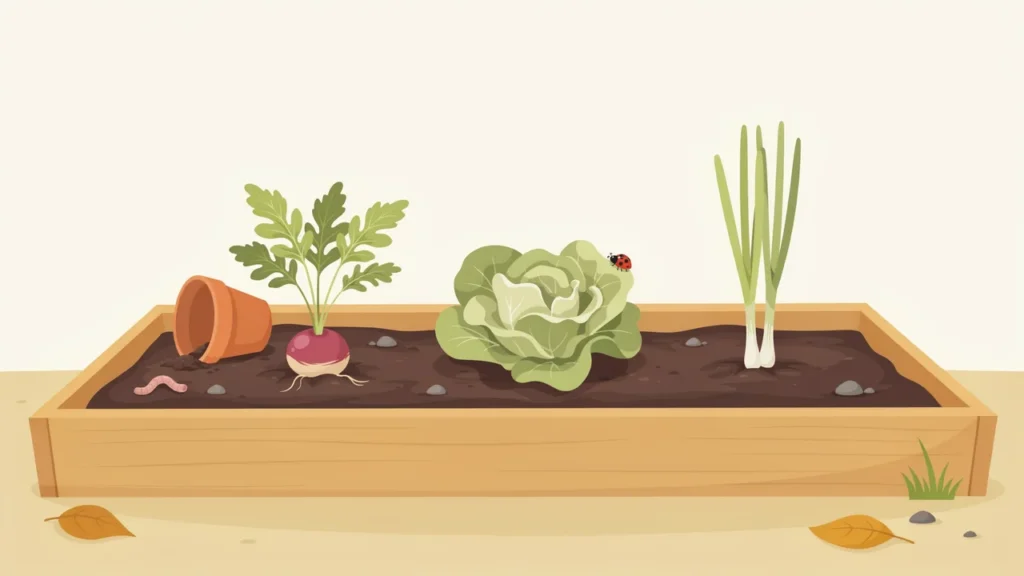
Bush beans offer a useful combination of simple planting and productive growth.
Unlike pole beans, bush varieties do not normally need tall climbing structures.
That removes one task from a beginner’s garden.
Plant seeds directly after conditions become warm enough for the variety.
Avoid planting too early into cold soil.
Bush beans can be a good choice if you want:
- Direct sowing
- Warm-season production
- No large trellis
- Repeated picking
- Relatively compact plants
Regular harvesting also encourages you to check your garden often, which helps you notice watering problems or pest damage early.
4. Swiss Chard
Swiss chard deserves more attention in beginner gardens.
You can grow it for repeated leaf harvests instead of waiting for one fruit or root to mature.
Its upright growth also makes efficient use of smaller planting areas.
Swiss chard works well in:
- Raised beds
- Garden beds
- Large containers
- Mixed edible gardens
Harvest outer leaves while allowing the center of the plant to keep growing.
The biggest beginner mistake is often planting too densely.
A tiny seedling may look as though it needs little room, but the mature plant becomes much wider.
5. Peas
Peas are worth trying when your growing season includes cool weather.
They are normally direct-sown.
Many varieties climb, so they can use vertical space instead of taking up a large area across the ground.
For a small garden, place climbing peas where their support will not shade shorter sun-loving vegetables.
Peas can be useful if you want to learn vertical growing.
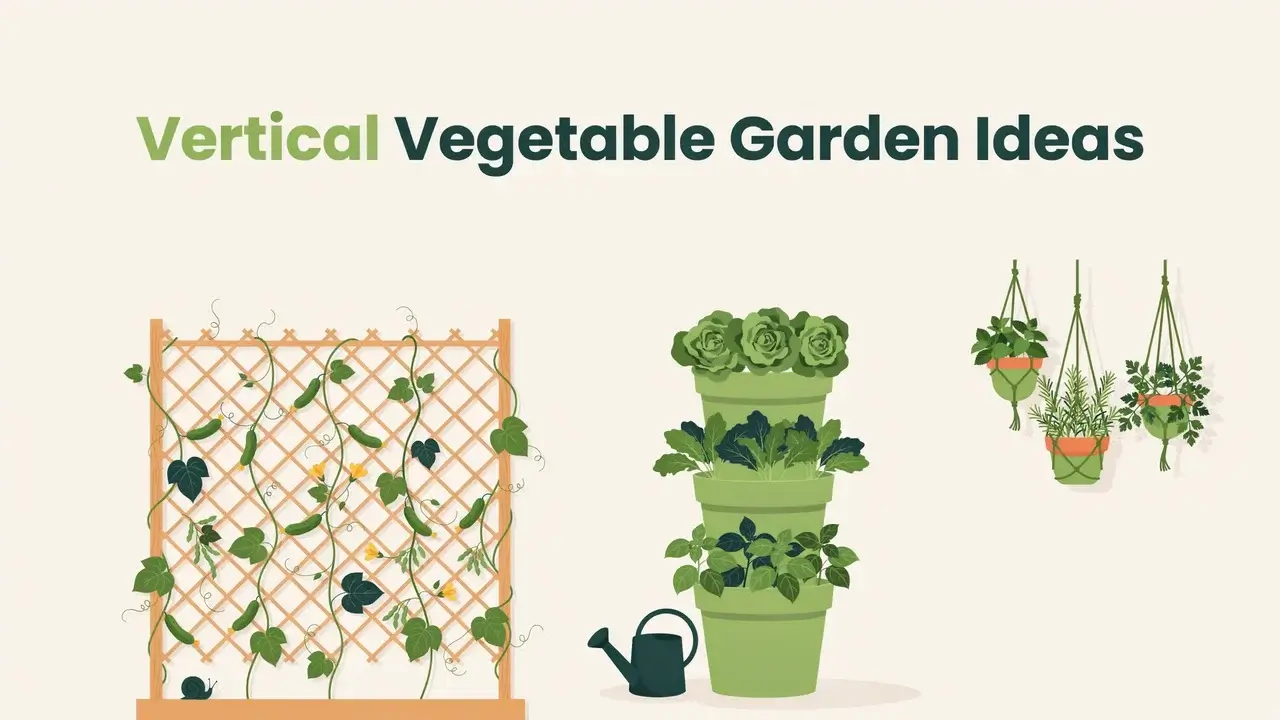
See our vertical vegetable garden ideas for more ways to use height in limited spaces.
Common beginner mistake: Planting peas too late and expecting them to perform well during hot weather.
6. Kale
Kale is another useful crop for gardeners who have a cool growing window.
Instead of waiting for one large harvest, you can remove suitable outer leaves and leave the plant growing.
Kale can be direct-seeded or planted as a transplant.
Its upright form makes it more practical for small spaces than some sprawling vegetables.
However, easy does not mean maintenance-free.
Check the leaves regularly for chewing insects and other pest damage.
Small problems are easier to handle when noticed early.
7. Zucchini
Zucchini appears on many beginner vegetable lists for good reason.
Under suitable warm conditions, healthy plants can grow quickly and produce heavily.
But there is an important catch for small-space gardeners.
Zucchini needs much more room than lettuce, radishes, or green onions.
A mature plant can occupy a large part of a small raised bed.
If space is limited:
- Look for compact varieties.
- Use a large container if the variety suits container growing.
- Avoid planting several plants unnecessarily.
- Leave enough room around the foliage.
Zucchini can be easy to grow, but it is not always easy to fit into a very small space.
8. Cucumbers
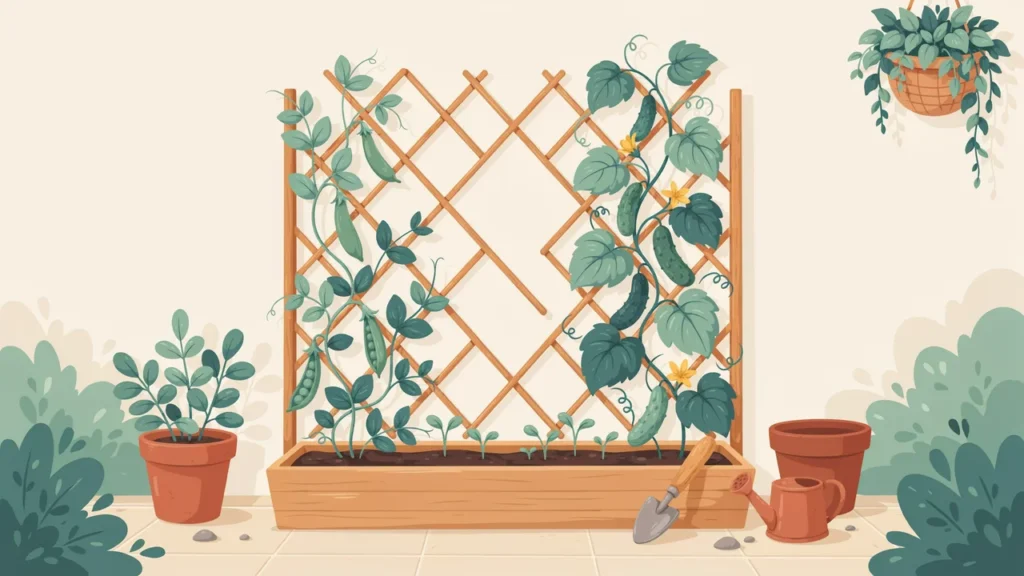
Cucumbers can work surprisingly well in compact gardens when you choose the right type.
Bush cultivars stay more compact.
Vining types can be trained upward on suitable support, which saves horizontal space.
Cucumbers are warm-season plants.
Wait for suitable growing conditions instead of planting them with your earliest cool-weather crops.
Keep soil moisture reasonably consistent once plants are growing strongly and producing fruit.
Common beginner mistake: Letting vigorous vines spread across a small garden without planning where they will grow.
9. Carrots
Carrots look simple, but they deserve an easy-to-moderate rating instead of being called foolproof.
They are normally sown directly where they will grow.
Carrots need a loose growing medium without stones or hard clumps that can interfere with root development.
Their tiny seedlings can also become crowded quickly.
For better results:
- Prepare the soil before sowing.
- Keep the seedbed from drying excessively during establishment.
- Thin crowded seedlings.
- Choose shorter varieties for containers.
Carrots use little horizontal space, which makes them useful for compact gardens once you understand germination and thinning.
10. Cherry Tomatoes
Tomatoes need more care than radishes or lettuce, but they can still be rewarding for beginners.
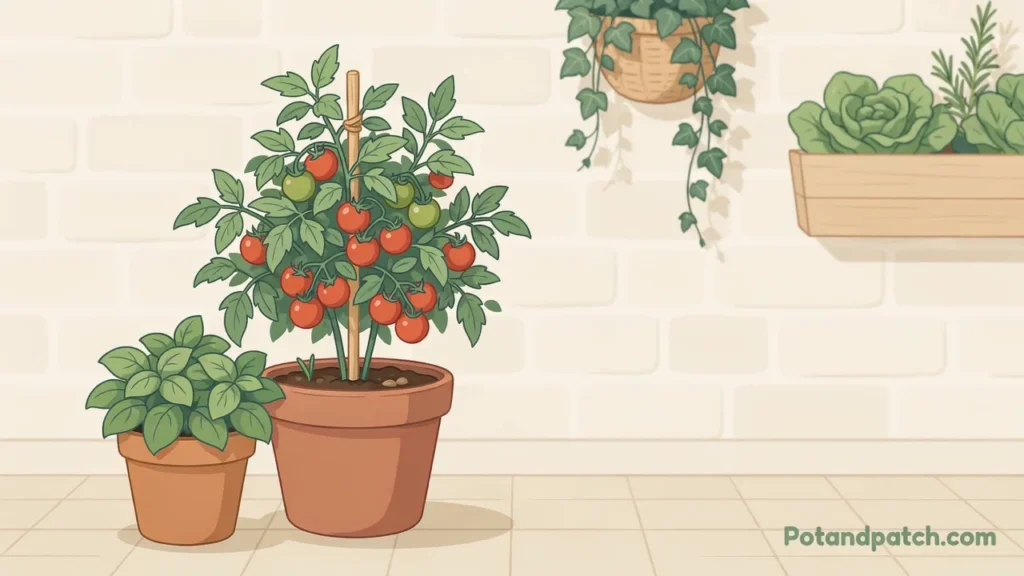
The easiest approach is usually to buy a healthy transplant instead of starting tomato seeds indoors for your first attempt.
For a small space, look for compact or determinate varieties suited to your growing method.
Tomatoes usually need:
- Good sunlight
- Enough root space
- Regular watering
- Plant support
- More feeding than many leafy crops
If you plan to grow them in pots, our guide to the best container size for tomatoes covers container selection in more detail.
Cherry tomatoes are not the easiest crop on this list, but they can be one of the most rewarding.
11. Beets
Beets give you two useful harvests from one crop: roots and edible leaves.
They take relatively little garden space and can grow in beds or sufficiently deep containers.
Direct sowing is usually the simplest approach.
Young seedlings may appear crowded, so thinning may be needed to give the roots room to develop.
Beets are a practical choice when you want a compact crop without trellising or pruning.
12. Green Onions
Green onions are one of the most practical crops for very small spaces.
They have a narrow growth habit and can fit into containers or small gaps between larger plants.
You can start them from seed or suitable onion sets, depending on the type you want to grow.
They work well for gardeners who want:
- A compact crop
- Simple harvesting
- Very little horizontal space
- Something useful for everyday cooking
Just remember that growing green onions is different from growing large storage onions.
Which Easy Vegetable Should You Grow First?
The best first vegetable depends on what you want from your garden.
If You Want the Simplest Starting Point
Try:
- Radishes
- Leaf lettuce
- Green onions
These crops need little space and do not require elaborate support.
If You Have Very Little Space
Choose:
- Leaf lettuce
- Radishes
- Green onions
- Swiss chard
- Bush beans
If you are growing entirely in pots, see our guide to the best container vegetables.
If You Want Repeated Harvests
Good choices include:
- Leaf lettuce
- Swiss chard
- Kale
- Bush beans
These allow you to harvest over time instead of taking the whole crop at once.
If You Want to Grow Up Instead of Out
Try peas or vining cucumbers with suitable support.
Vertical growth helps preserve valuable floor space on patios and in narrow garden beds.
If You Want a Productive Summer Crop
Consider:
- Bush beans
- Cucumbers
- Zucchini
- Cherry tomatoes
These crops prefer warmer growing conditions than early crops such as peas and radishes.
If You Have a Raised Bed
Most vegetables in this guide can work in a raised bed when spacing, soil depth, and planting season are suitable.
For crop selection specifically for raised beds, see our guide to the best vegetables for raised beds.
Should Beginners Start With Seeds or Transplants?
You do not have to use the same starting method for every vegetable.
Some crops are easier when seeds are planted directly into their final growing space.
Others may be simpler when bought as established transplants.
Good Choices for Direct Sowing
These commonly work well when sown directly:
- Radishes
- Carrots
- Beets
- Peas
- Bush beans
- Leaf lettuce
- Swiss chard
- Kale
Consider Buying Transplants For
Tomatoes are the clearest example.
Starting tomatoes indoors requires extra time, light, and temperature management.
Buying a healthy young plant lets you skip that stage.
Other vegetables, including kale or Swiss chard, can be grown either way depending on your season and preference.
Check local planting guidance and the seed packet before deciding.
5 Mistakes That Make Easy Vegetables Harder to Grow
Choosing easy vegetables to grow helps, but even simple crops can struggle when their basic needs are ignored.
1. Planting at the Wrong Time
Cool-season and warm-season vegetables should not all go into the garden at the same time.
Peas, lettuce, radishes, and many leafy crops handle cooler conditions better than beans, cucumbers, zucchini, and tomatoes.
Use your local frost dates and regional planting guidance instead of copying a planting calendar from a different climate.
2. Ignoring Sunlight
Sunlight affects what you can grow successfully.
Fruiting crops such as tomatoes generally need stronger light than many leafy vegetables.
If your garden gets only partial sun, choose crops that suit those conditions instead of forcing a sun-loving plant into the space.
3. Crowding Seedlings
Tiny seedlings make empty soil look wasteful, so beginners often leave too many plants.
Crowding increases competition for:
- Light
- Moisture
- Nutrients
- Root space
Follow the mature spacing recommended for your specific variety.
This is especially important for carrots, radishes, beets, and leafy greens.
4. Watering on a Fixed Schedule
Do not assume every garden needs water at exactly the same interval.
Container size, temperature, wind, soil type, rainfall, plant size, and season all change how quickly soil dries.
Instead, check the growing medium and water according to current conditions.
A pot on a hot patio can dry much faster than a garden bed after rain.
5. Growing Too Much at Once
Twelve vegetables may appear in this article, but you do not need twelve crops in your first garden.
Choose three to five vegetables you actually eat.
Learning to water, thin, harvest, and check a few plants is much easier than managing a crowded garden full of unfamiliar crops.
Once your first crops are doing well, add more.
A Simple First Vegetable Garden for a Beginner
If you have a sunny small space and are unsure what to plant, start with a simple mix.
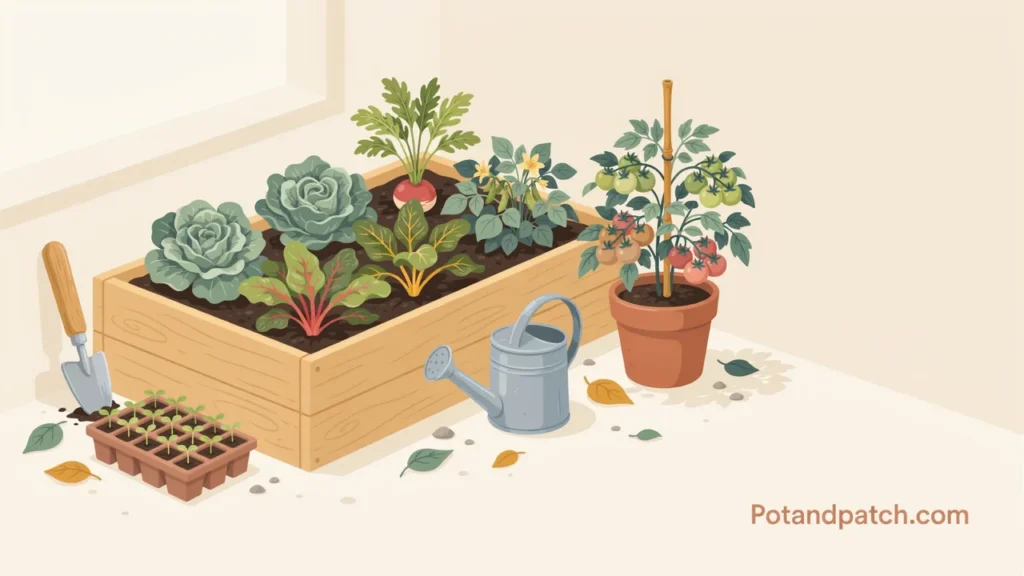
Try:
- Leaf lettuce
- Radishes
- Bush beans
- Swiss chard
- One cherry tomato plant
This combination gives you different types of crops without making the garden too complicated.
Lettuce and radishes provide compact cool-season options.
Beans add a warm-season direct-sown crop.
Swiss chard can provide repeated leaf harvests.
A cherry tomato plant gives you experience caring for a larger fruiting crop.
If you have not created your growing area yet, start with our guide on how to start a small vegetable garden.
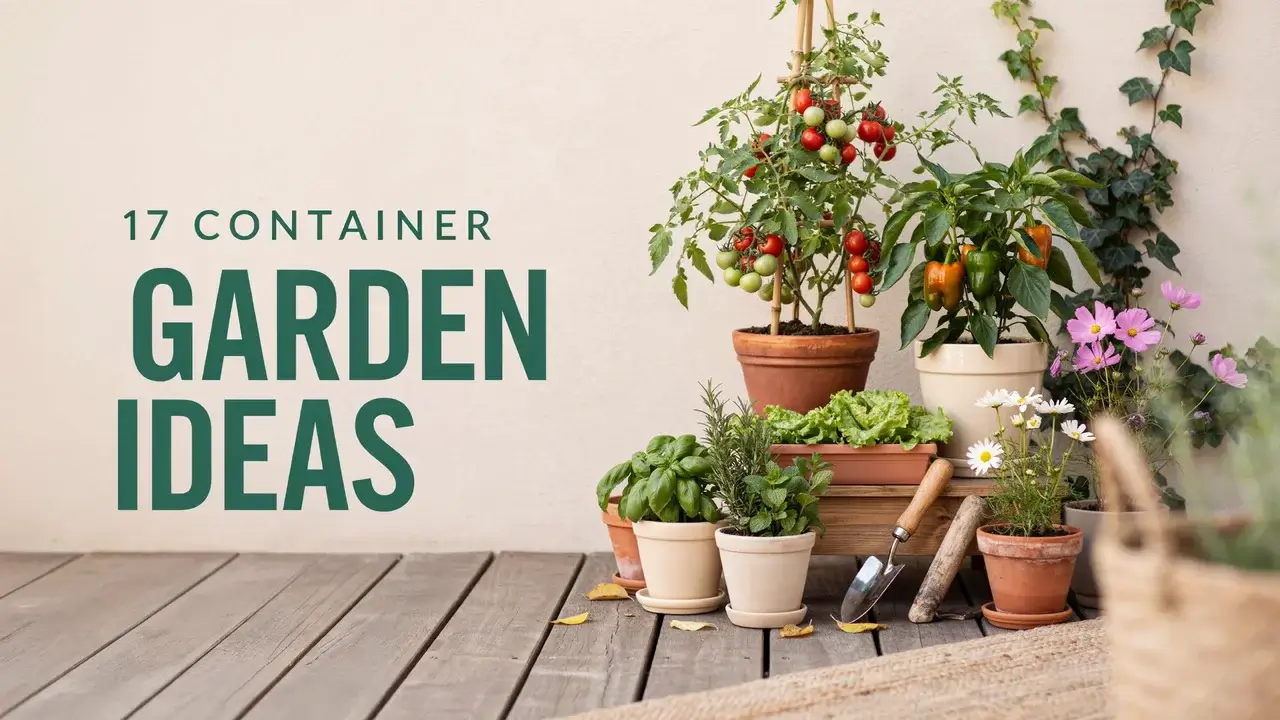
Gardeners without ground space can also begin with container gardening.
FAQs
What is the easiest vegetable to grow for a beginner?
Radishes and leaf lettuce are two practical starting choices. Both can be direct-sown, require relatively little space, and suit small home gardens. There is no universal easiest vegetable because temperature, sunlight, season, and local conditions affect success.
What vegetables are easy to grow from seed?
Radishes, beans, peas, carrots, beets, lettuce, Swiss chard, and kale are commonly grown directly from seed. Root vegetables such as carrots and radishes are especially suited to direct sowing because they develop best when left undisturbed.
What vegetables grow quickly?
Radishes and leaf lettuce are useful choices when you want relatively fast results. Actual harvest time depends on variety, weather, planting season, and growing conditions. Check the days-to-maturity information on your seed packet for a more useful estimate.
What are the easiest vegetables to grow in small spaces?
Leaf lettuce, radishes, green onions, Swiss chard, bush beans, compact cucumbers, and suitable tomato varieties can all work in limited areas.
The best choice depends on container size, sunlight, and the mature size of the variety.
Should beginners start vegetables from seeds or plants?
Use both.
Direct-sow crops such as beans, peas, radishes, carrots, and beets.
Buying transplants can make tomatoes easier because you avoid managing the indoor seedling stage.
How many vegetables should a beginner grow?
Start with about three to five crops that you enjoy eating and that fit your available space.
This is not a strict gardening rule.
It simply keeps your first season manageable while you learn watering, spacing, pest checks, and harvesting.
Final Thoughts on Easy Vegetables to Grow
The best beginner garden is not the one with the most plants. It is the one you can manage successfully. Start with a few easy vegetables to grow that match your season and available space.
Radishes, leaf lettuce, bush beans, Swiss chard, and green onions are especially practical starting choices for compact gardens.
Once you understand how your space handles sunlight, watering, and seasonal changes, you can add more demanding crops.
A small first harvest teaches you far more than an overcrowded garden that becomes difficult to maintain.