Balcony Vegetable Garden: 15 Ideas and the Best Veggies to Grow
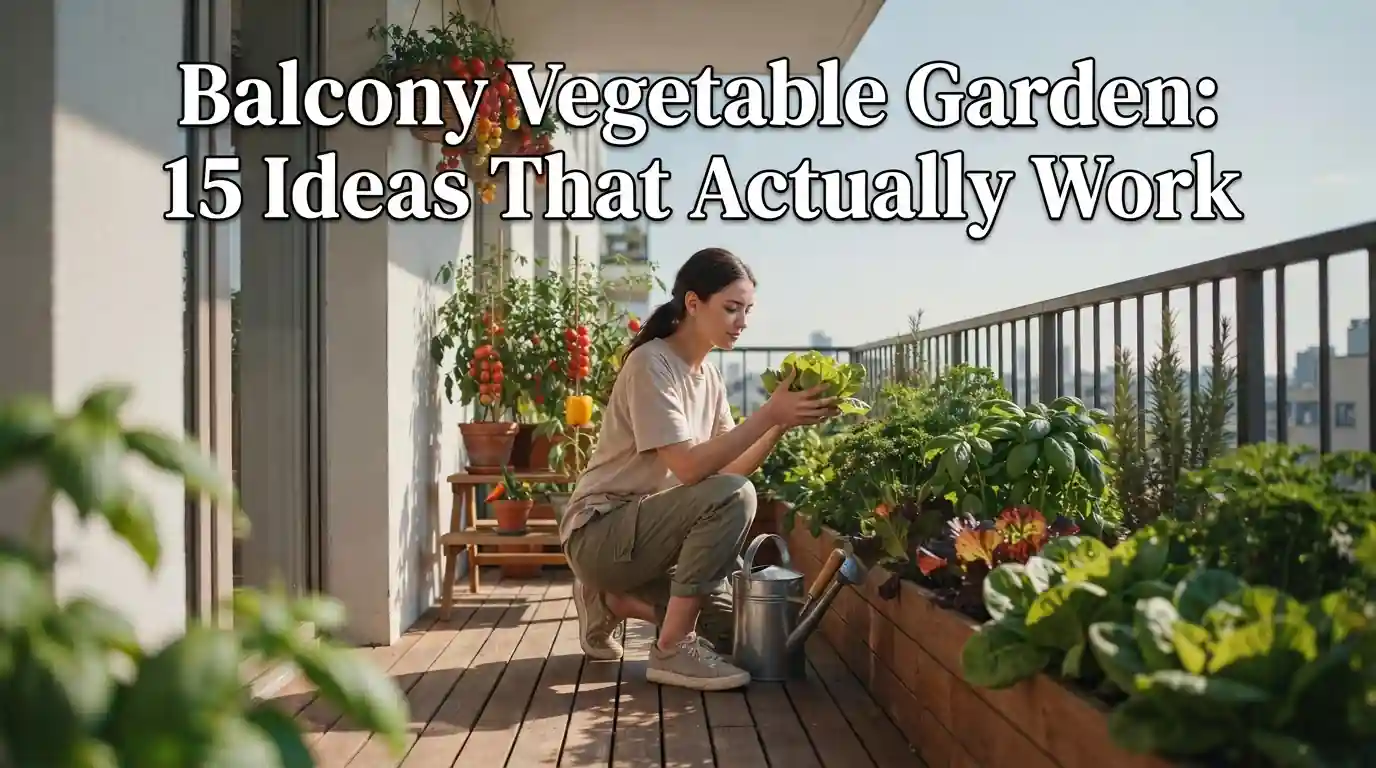
A balcony is all the space you need to grow fresh food. With the right setup, a few square feet of railing and floor can produce herbs, salads, tomatoes, and more. The trick is working with your space, not against it.
This guide gives you 15 practical balcony vegetable garden ideas, from railing planters to vertical towers. Then it covers the best vegetables to grow and how to match them to the light your balcony actually gets. Every idea includes a real note on weight, wind, sun, or renting, so you pick setups that will genuinely work.
Balcony Basics: What to Check Before You Start
A balcony garden lives or dies on a few conditions most guides skip. Check these first.
Sun. Note which way your balcony faces and track the light for a day. South and west-facing balconies get the most sun. Most vegetables want 6 to 8 hours of direct light.
Weight. Wet soil is heavy, and a full balcony adds up fast. The Old Farmer’s Almanac suggests arranging heavier containers around the outer edges to spread the load. If you are unsure of your limits, ask your building manager.
Wind. Height means wind. It topples light pots and dries plants out quickly. Secure containers and add a screen if your balcony is exposed.
Drainage. Water draining off your balcony can land on the neighbor below. Use saucers or trays under every pot to catch runoff.
For the full rundown on pots, potting mix, and drainage, see our container gardening guide. This page stays focused on the balcony itself.
15 Balcony Vegetable Garden Ideas
Here are 15 ways to turn a balcony into a productive garden. They are grouped by the kind of space they use, so you can mix and match.
Make Use of the Railing
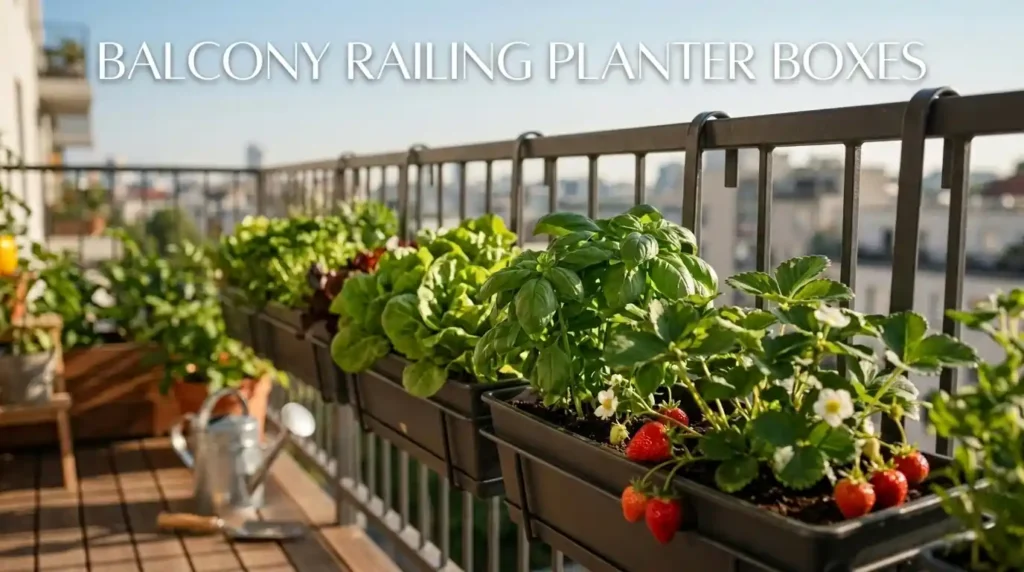
1. Railing planter boxes. Long boxes that hook over the rail add a whole growing row without using floor space. They suit lettuce, herbs, and strawberries. Make sure the rail can hold the weight once the soil is wet.
2. Over-the-rail hanging planters. Saddlebag-style planters drape over the railing with no drilling, which makes them ideal for renters. They are shallow, so stick to greens and herbs rather than deep-rooted crops.
3. A rail-mounted herb rack. Small pots in a rail rack keep kitchen herbs at snipping height. Place it on the morning-sun side, since most herbs love light but not harsh afternoon heat.
Grow Up the Walls
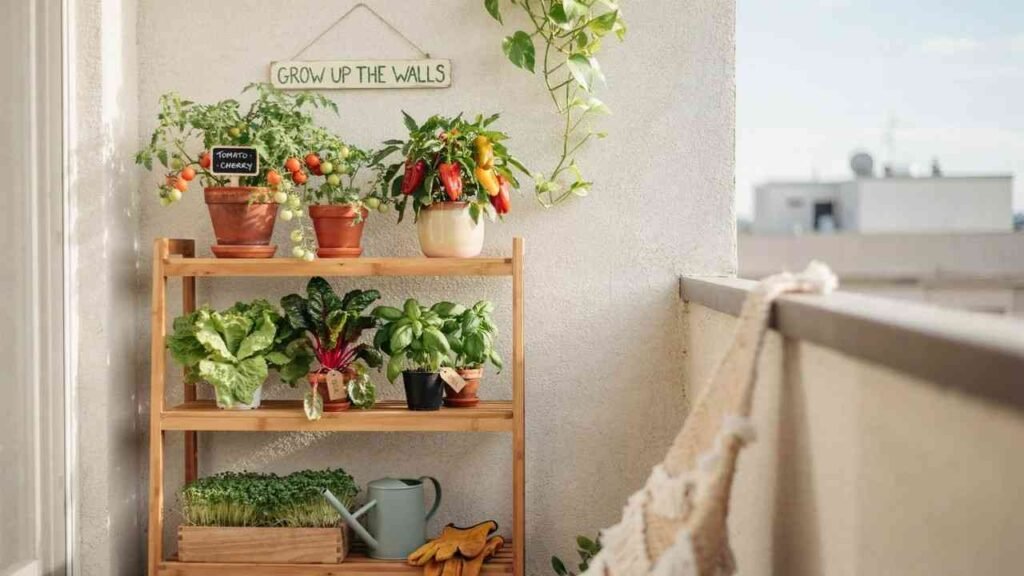
4. A tiered plant stand. Arrange plants by their light needs, with sun-lovers on top and shade-tolerant greens below. This creates little microclimates in a tiny footprint. Add wheels underneath so you can roll it to follow the sun.
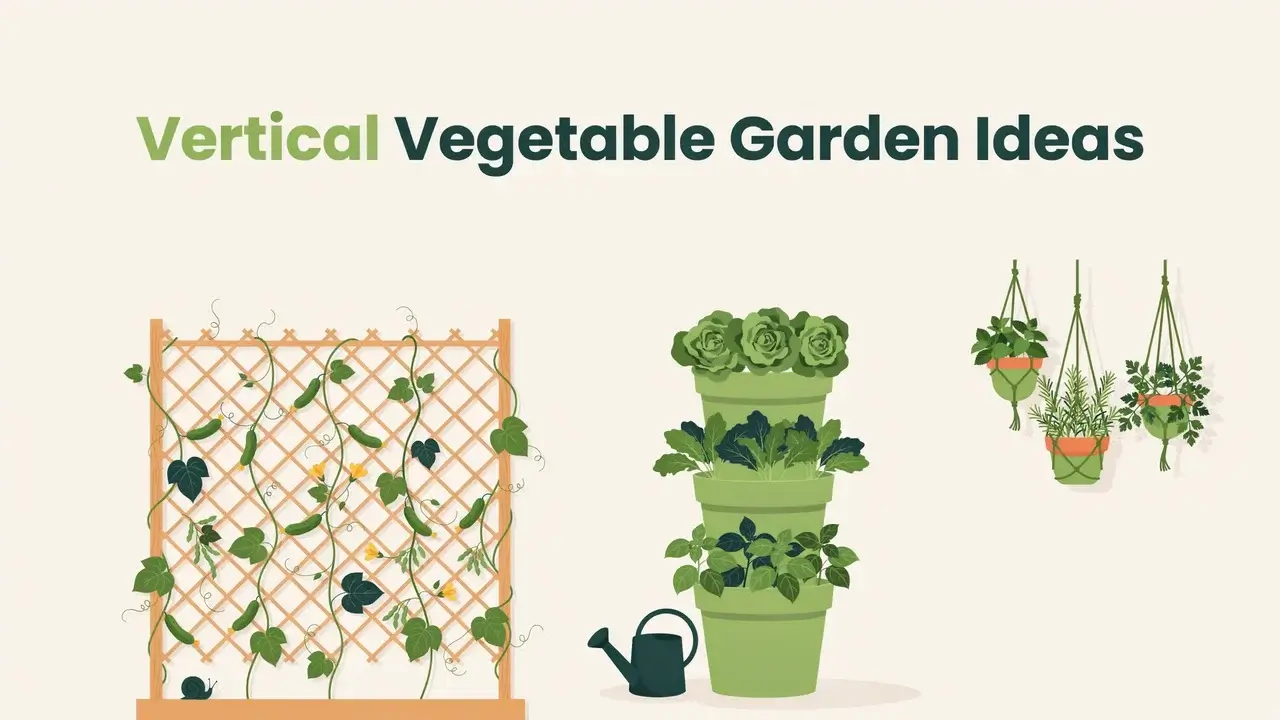
5. A vertical tower planter. Stacked planting pockets give you a big harvest from a small base. Strawberries, greens, and herbs do well in them. Rotate the tower every few days for even light.
6. An upcycled pallet garden. Stand a pallet against the wall and plant the gaps for cheap vertical growing. Use heat-treated pallets only, marked HT, and never chemically treated wood.
7. Wall-mounted pots with a trellis. Send climbers like beans and cucumbers up a wall trellis instead of out across the floor. Anchor it firmly, because a full trellis catches a lot of wind.
Use the Overhead Space
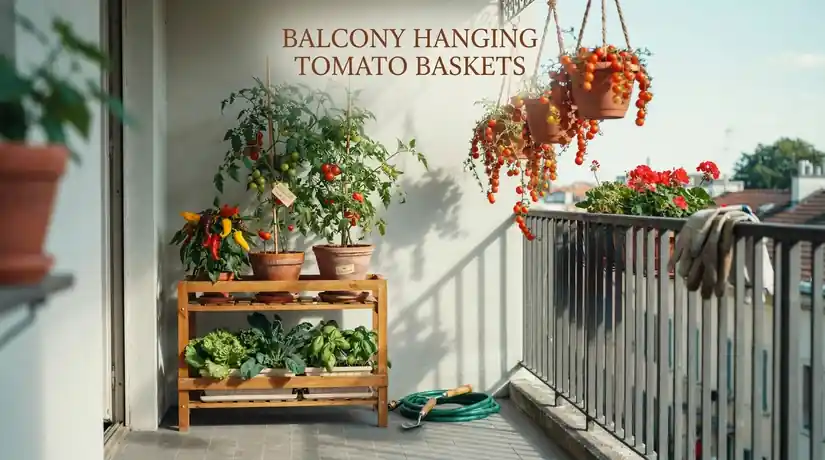
8. Hanging baskets for trailing tomatoes. Overhead space is free real estate, and tumbling cherry tomato varieties spill beautifully from a basket. They dry out fast up there, so plan to water daily in summer.
9. Ceiling-hook trailing planters. If your balcony has a roof, hooks let you grow herbs and trailing greens overhead. Use a hook rated for the weight of a wet, full pot.
Choose Space-Smart Containers
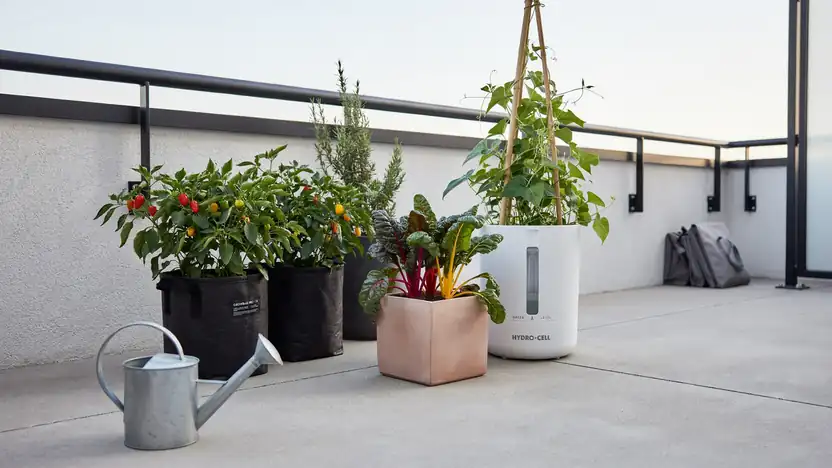
10. Lightweight fabric grow bags. Grow bags are light, drain well, and fold away at season’s end. Their roots stay healthy, but they dry faster than plastic, so check moisture often.
11. Self-watering containers. A built-in reservoir carries plants through hot days and busy weeks. On a sun-baked balcony, this is the single most useful upgrade you can make.
12. A rolling plant caddy. Put your biggest pots on a wheeled caddy so you can chase the sun or pull them from a storm. It also saves your back on moving day.
Keep It Renter-Friendly
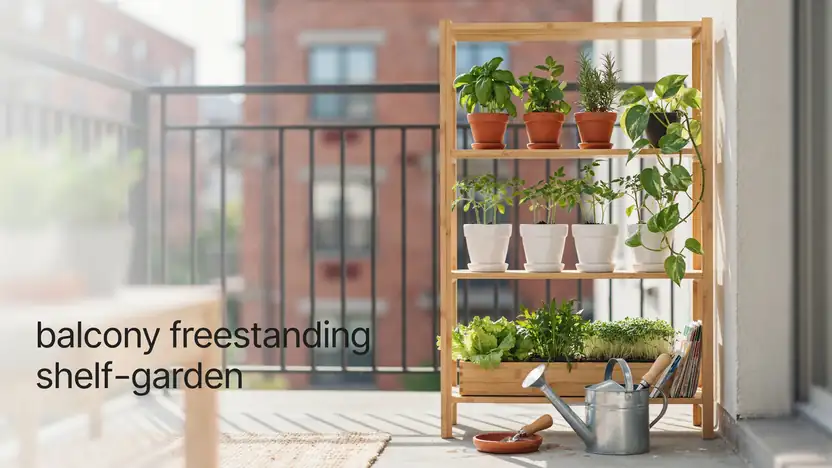
13. A freestanding shelving unit. An open shelf adds instant vertical growing with no wall damage and no lost deposit. Strap it to the rail if your balcony gets gusty.
14. Damage-free railing brackets. Clamp-on brackets hold pots without a single screw. Check that the clamp fits the width of your railing before you buy.
15. A grouped pot cluster. Cluster pots by how much water they need and move them as a set. Grouping also shades the pots and slows how fast they dry out.
For a deeper look at growing upward, our vertical gardening guide breaks down the best methods for tight spaces.
Best Vegetables for a Balcony
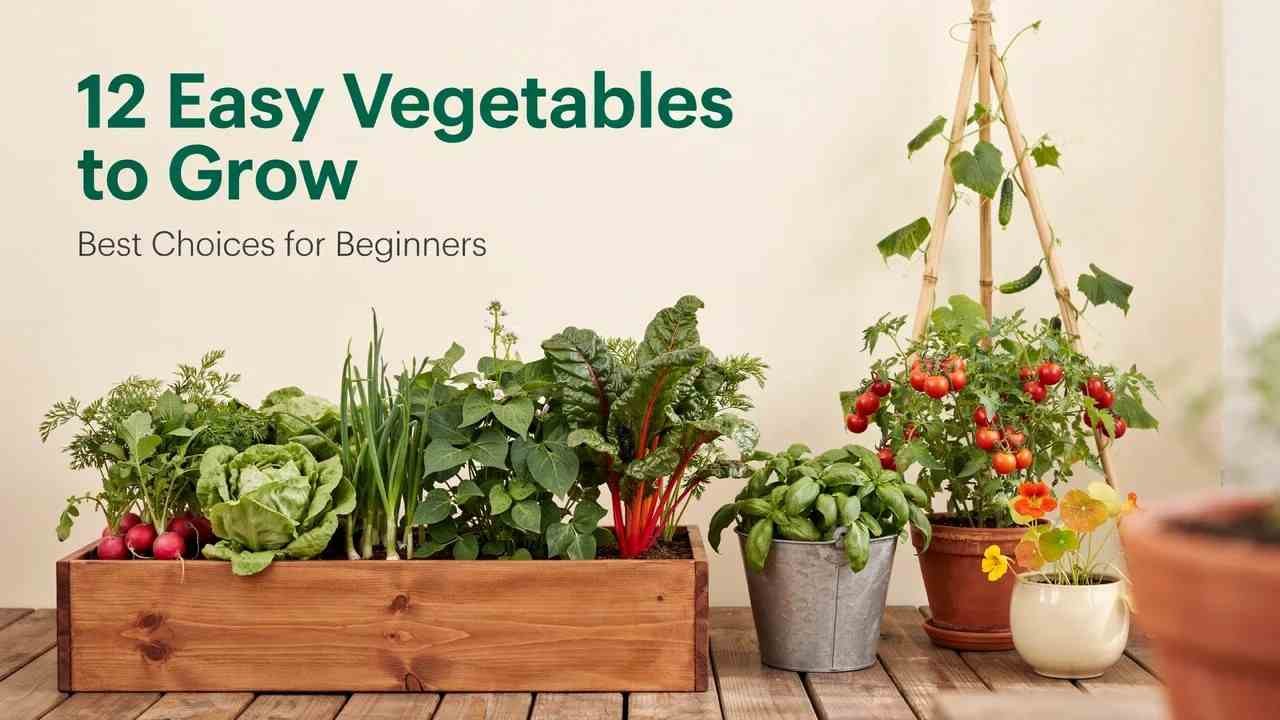
The best crops for a balcony are compact, productive, and happy in a pot. According to the University of Georgia Cooperative Extension, peppers, tomatoes, spinach, radishes, green beans, and carrots all grow well in containers, while larger crops like eggplant and cucumbers simply need bigger pots.
Here are eight reliable choices for a balcony:
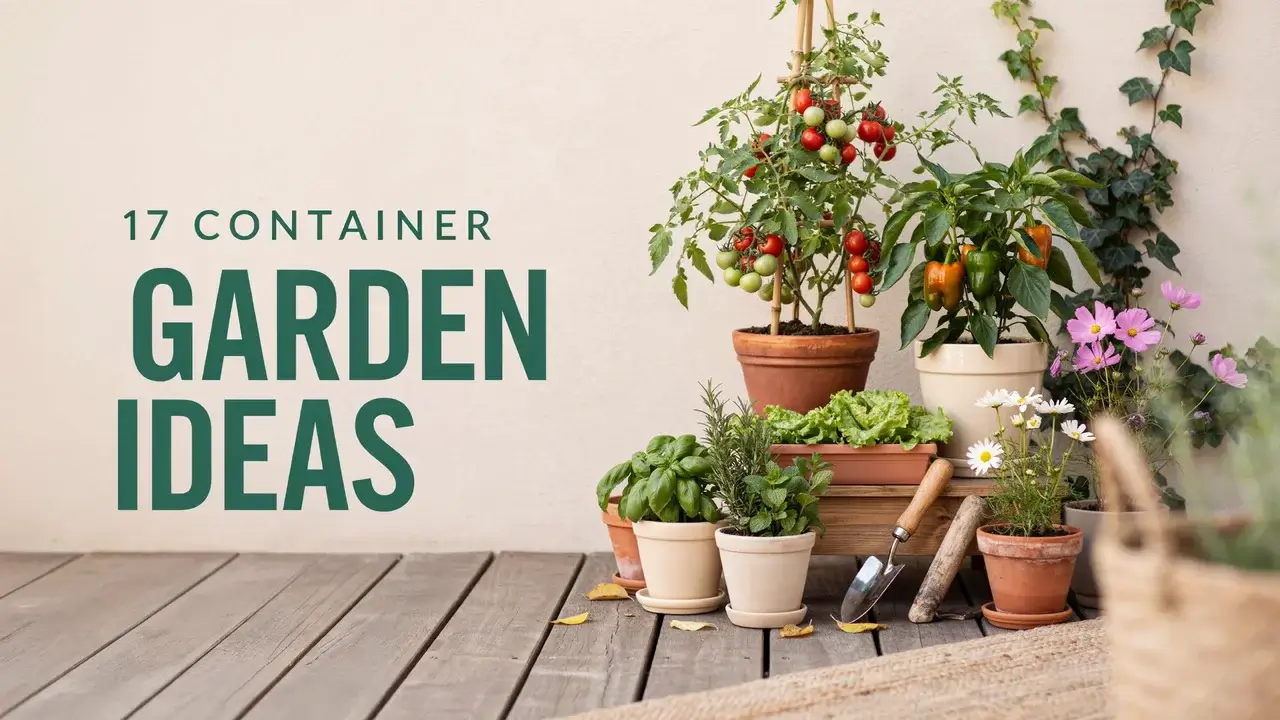
- Cherry tomatoes. The star of any balcony. Compact and tumbling types like ‘Patio Princess’ and ‘Tumbling Tom’ thrive in pots and baskets.
- Lettuce and salad greens. Fast, shallow-rooted, and fine with a few hours of shade. Pick outer leaves and they keep giving.
- Herbs. Basil, parsley, chives, and mint offer the most value for the space they take. Snip what you need right by the kitchen.
- Peppers. Both sweet and hot peppers love the warmth a balcony traps. They stay compact and crop well.
- Radishes. The fastest reward on the list, ready in 25 to 30 days. Perfect for filling gaps between bigger plants.
- Bush beans. Low, sturdy, and productive with no staking, which suits a windy balcony.
- Swiss chard. Keeps producing all summer and tolerates partial shade better than most crops.
- Green onions. Snip what you need and the plant regrows from the base.
Grow what you actually eat, so nothing goes to waste. For the exact pot size, soil depth, and best variety for each crop, see our guide to the best container vegetables.
What to Grow Based on Which Way Your Balcony Faces
The direction your balcony faces decides what will thrive. Match your crops to your light and everything gets easier.
South or west-facing (full sun). You get the most light, 6 hours or more. Grow the sun-lovers: tomatoes, peppers, beans, and cucumbers.
East-facing (morning sun). Bright mornings and cooler afternoons suit lettuce, salad greens, herbs, and radishes.
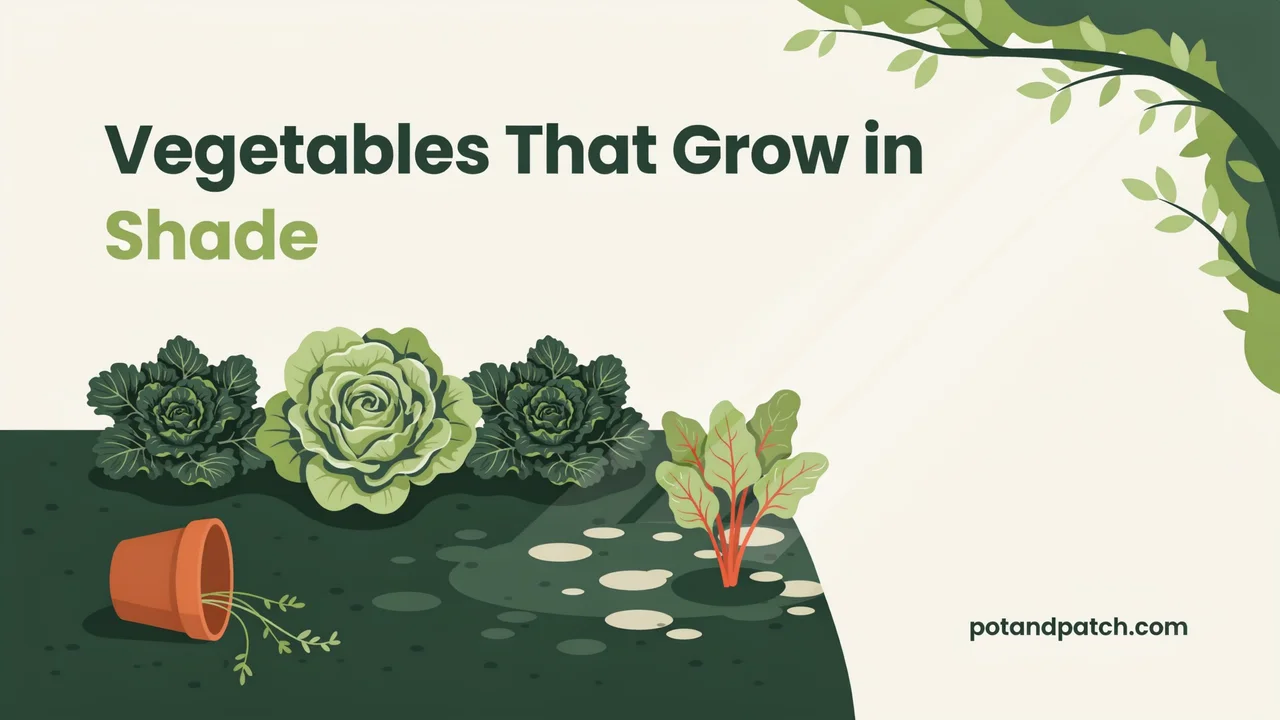
North-facing (little direct sun). Shade does not mean no garden. Leafy greens, Swiss chard, mint, and parsley all cope with lower light.
If your balcony is windy as well as bright, add a screen or choose low, sturdy crops that shrug off the gusts.
Common Balcony Garden Mistakes to Avoid
A few missteps trip up most first-time balcony gardeners. Knowing them ahead of time saves a season.
Ignoring weight limits. A balcony full of wet pots is heavier than it looks. Spread the load toward the edges and check your limits if in doubt.
Letting pots blow over. Wind at height topples light containers and snaps stems. Secure your pots and shelter exposed spots.
Skipping a drainage plan. Runoff onto the balcony below causes real neighbor trouble. Put a saucer under every container.
Under-watering. Containers on a hot, breezy balcony dry out fast. Check them daily in summer, and consider self-watering pots.
Frequently Asked Questions
How much sun does a balcony vegetable garden need?
Most vegetables need 6 to 8 hours of direct sun a day. Leafy greens and herbs manage on 3 to 5 hours. Track your balcony’s light for a full day before choosing crops.
What vegetables grow best on a shady balcony?
Leafy greens are your best bet with limited sun. Lettuce, Swiss chard, spinach, and green onions all tolerate partial shade. Many herbs, like mint and parsley, do too.
How do you grow vegetables on an apartment balcony without drilling?
Use over-the-rail planters, freestanding shelves, clamp-on railing brackets, and grouped floor pots. All of these add growing space without a single screw, which protects your deposit.
How much weight can a balcony hold for a garden?
It varies by building, so check with your landlord or building manager for the load limit. To stay safe, spread heavier containers toward the edges, and choose lightweight pots and potting mix over heavy ceramic.
Can you grow tomatoes on a balcony?
Yes, and they are one of the best crops for it. Choose a compact or tumbling variety, give it at least a 5-gallon pot and full sun, and water daily in hot weather.
Start With Your Space and a Few Favorites
A productive balcony vegetable garden comes down to two things: working with your light and your limits, then choosing crops you love to eat. Pick a couple of the ideas above, match a few vegetables to the way your balcony faces, and you are growing food.
You do not need a yard or any experience. Start with two or three pots this week, learn how your space behaves, and build from there as your confidence grows.