Tomato Plant Spacing: How Far Apart to Plant Tomatoes
How far apart you plant tomatoes decides how healthy and productive they will be. Space them too close and airflow drops, disease spreads, and plants compete for light and food. Space them too far and you waste growing room.
The right distance is not a single number. It depends on the type of tomato and how you plan to support it. Once you know those two things, spacing is simple.
This guide gives you the exact distances, a quick chart, and the spacing for raised beds, containers, and small spaces.
How Far Apart to Plant Tomatoes: The Quick Answer
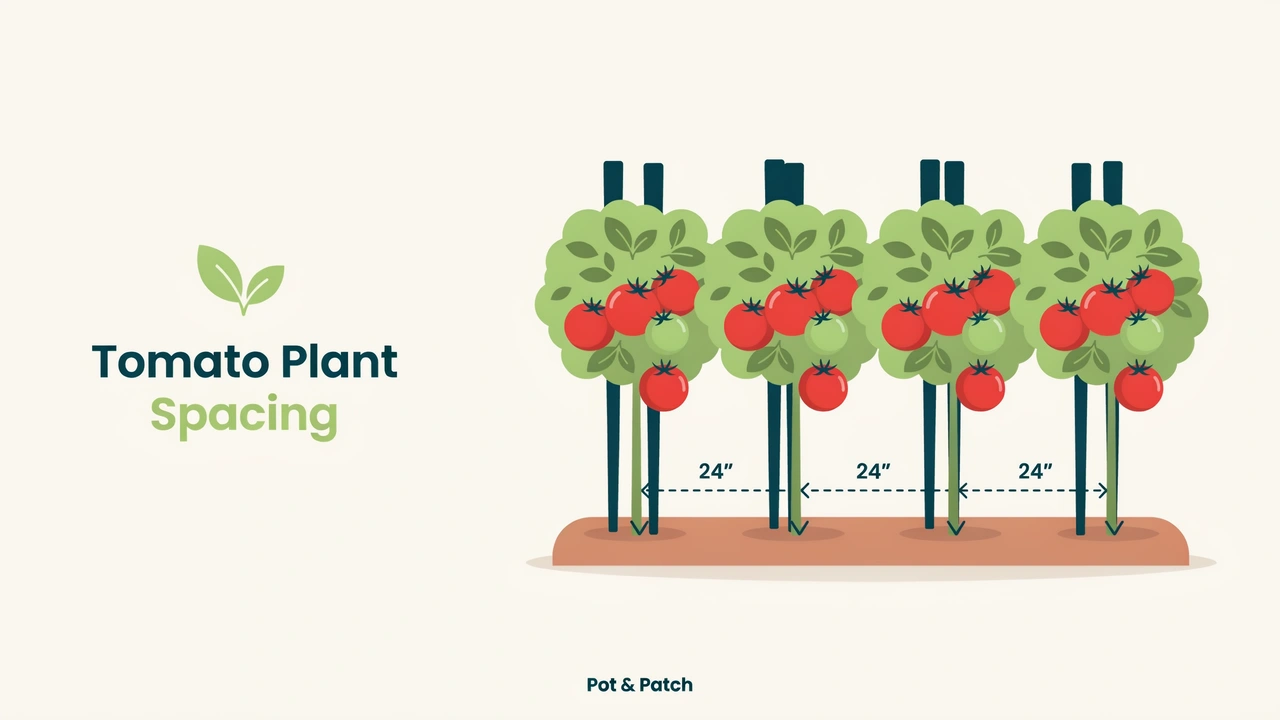
As a general rule, space most tomato plants 18 to 24 inches (45 to 60 cm) apart, with rows 36 to 48 inches (90 to 120 cm) apart.
That is the starting point, but two factors move the number. Bush (determinate) types stay compact and can go a little closer. Vining (indeterminate) types grow large, and how you support them changes their spacing a lot. Spacing is set when you move plants outside, so it goes hand in hand with knowing when to transplant tomato seedlings.
Tomato Spacing Chart
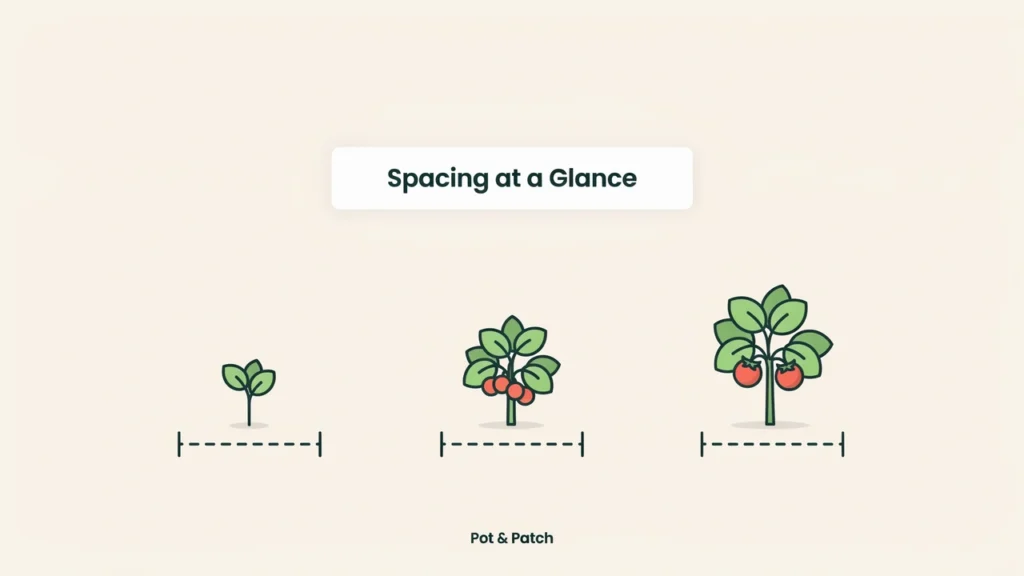
Use this chart as a quick reference, then read the sections below for the reasoning.
| Situation | Between plants | Between rows |
|---|---|---|
| Determinate (bush) | 24 to 30 in (60 to 75 cm) | 36 to 48 in (90 to 120 cm) |
| Dwarf or patio determinate | 12 to 24 in (30 to 60 cm) | 24 to 36 in (60 to 90 cm) |
| Micro-dwarf | 8 to 10 in (20 to 25 cm) | container or edge |
| Indeterminate, staked or caged | 24 to 36 in (60 to 90 cm) | 36 to 48 in (90 to 120 cm) |
| Indeterminate, unsupported | 36 to 48 in (90 to 120 cm) | 48 to 72 in (120 to 180 cm) |
| Florida weave | 18 to 24 in (45 to 60 cm) | 36 to 48 in (90 to 120 cm) |
| Raised bed | 18 to 24 in (45 to 60 cm) | single row per standard bed |
| Square foot gardening | 1 plant per square, grown vertically | not applicable |
| Container | 1 plant per pot | space pots for airflow |
Why Tomato Spacing Matters
Proper spacing is not fussiness. It has a direct effect on your harvest.
Good spacing lets air move freely between plants, which keeps the leaves drier and reduces the fungal diseases that thrive in crowded, humid foliage, such as early blight and Septoria leaf spot. It also gives every plant enough sunlight and enough root room to reach the water and nutrients it needs.
There is a practical side too. Well-spaced plants are far easier to stake, prune, water, and harvest, and problems are quicker to spot before they spread.
Crowding is the more common mistake. When plants are jammed together they compete, grow leggy, and produce less. Spacing them too far apart is rarely harmful to the plant itself, but it wastes space and invites weeds.
Spacing by Tomato Type
The single biggest factor is whether your tomato is determinate or indeterminate. If you are unsure which you have, our guide to determinate vs indeterminate tomatoes explains how to tell.
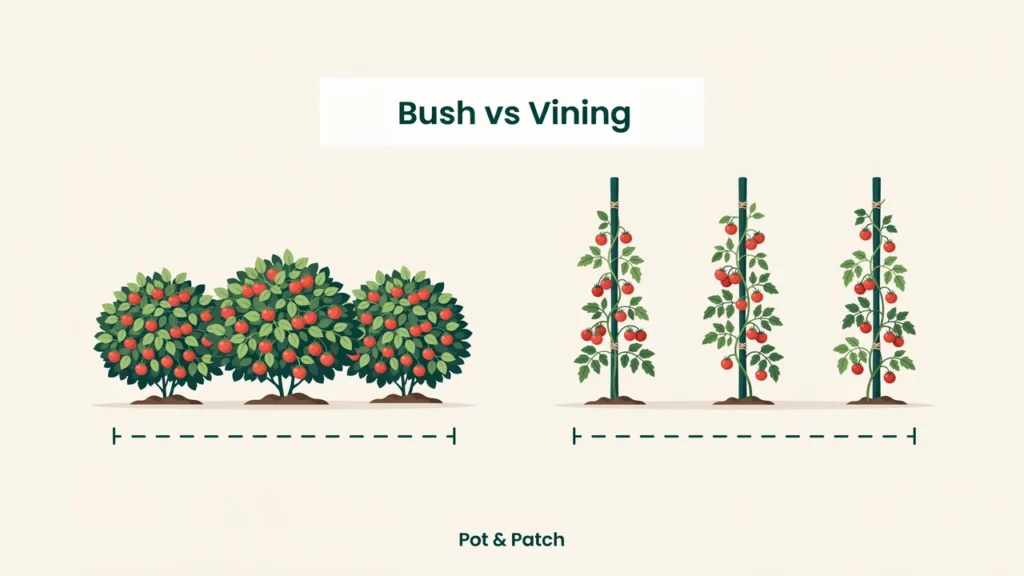
Determinate (bush) tomatoes grow to a fixed size and stay relatively compact. Space full-size determinates about 24 to 30 inches (60 to 75 cm) apart. Dwarf and patio types can go closer, around 12 to 24 inches (30 to 60 cm), and tiny micro-dwarfs need only 8 to 10 inches (20 to 25 cm).
Indeterminate (vining) tomatoes keep growing all season and get large, so they generally need more room. The exact distance depends entirely on how you support them, which is the next section.
Spacing by Support Method
How you hold the plant up changes how close you can plant.
Supported plants take up less ground because they grow upward instead of sprawling. When indeterminate tomatoes are staked or caged, space them 24 to 36 inches (60 to 90 cm) apart. If you train and prune them to a single stem, you can go as close as 18 inches (45 cm), since the plant stays narrow. Left to sprawl without support, the same plant needs 36 to 48 inches (90 to 120 cm) or more, and uncaged rows should be wide enough to walk through late in the season.
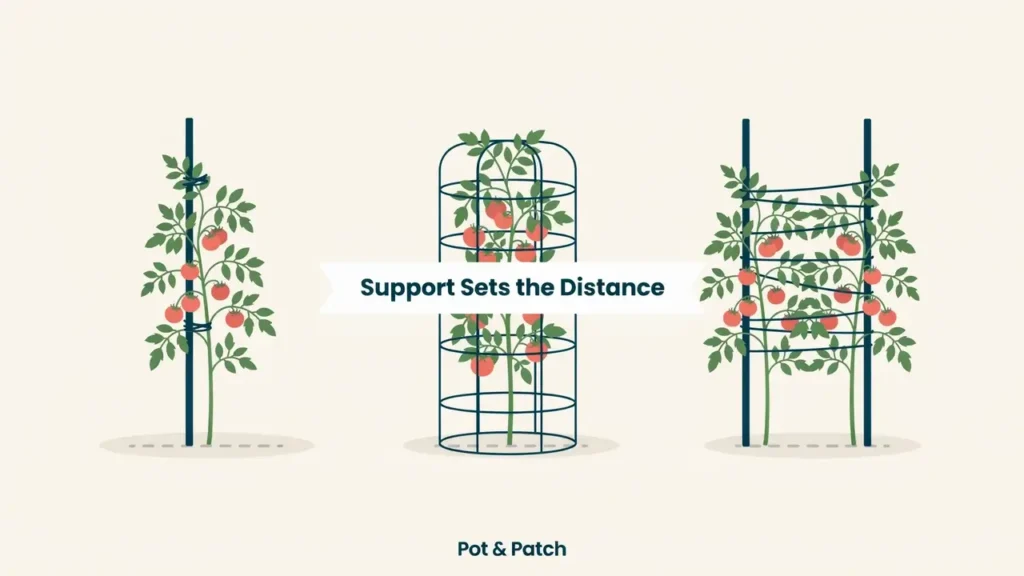
The Florida weave, where plants are woven between stakes down a row, works well at roughly 18 to 24 inches (45 to 60 cm) between plants. It suits determinate types and paste tomatoes like Roma especially well.
Pruning is what makes the closer spacings safe. A plant trained to a single stem takes up less width, so regular pruning keeps airflow up even at tighter distances. Our guide on how to prune tomato plants walks through the method.
One honest note: research summarised by university sources has found that yield often changes little across spacings from about 1 to 3 feet. Closer spacing can even concentrate flavour, but it raises the risk of disease, so the distances above stay the safer choice for most gardens.
Spacing in Raised Beds and Square Foot Gardens
Raised beds follow the same principles as in-ground planting, with one advantage. Because bed soil is usually deeper and richer, roots have more to work with, so you can use the closer end of the range, around 18 to 24 inches (45 to 60 cm) between plants.
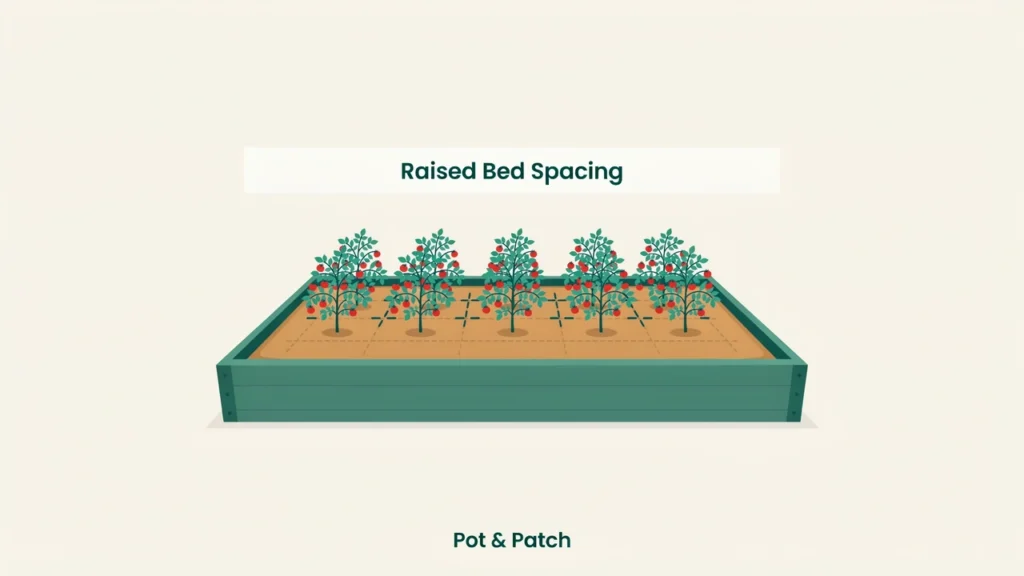
A standard raised bed usually fits a single row of tomatoes down the middle once you allow proper spacing. For the full bed setup, see our guide to growing tomatoes in raised beds.
Square foot gardening assigns one tomato plant per square foot (30 cm). Be careful here: for a full-size tomato, one square is tight, and many gardeners find it crowds the plant, cuts airflow, and makes harvesting awkward. If you use the method, reserve it for compact determinates, give each plant strong vertical support, and prune diligently, or allow a tomato more than one square.
Spacing Tomatoes in Containers
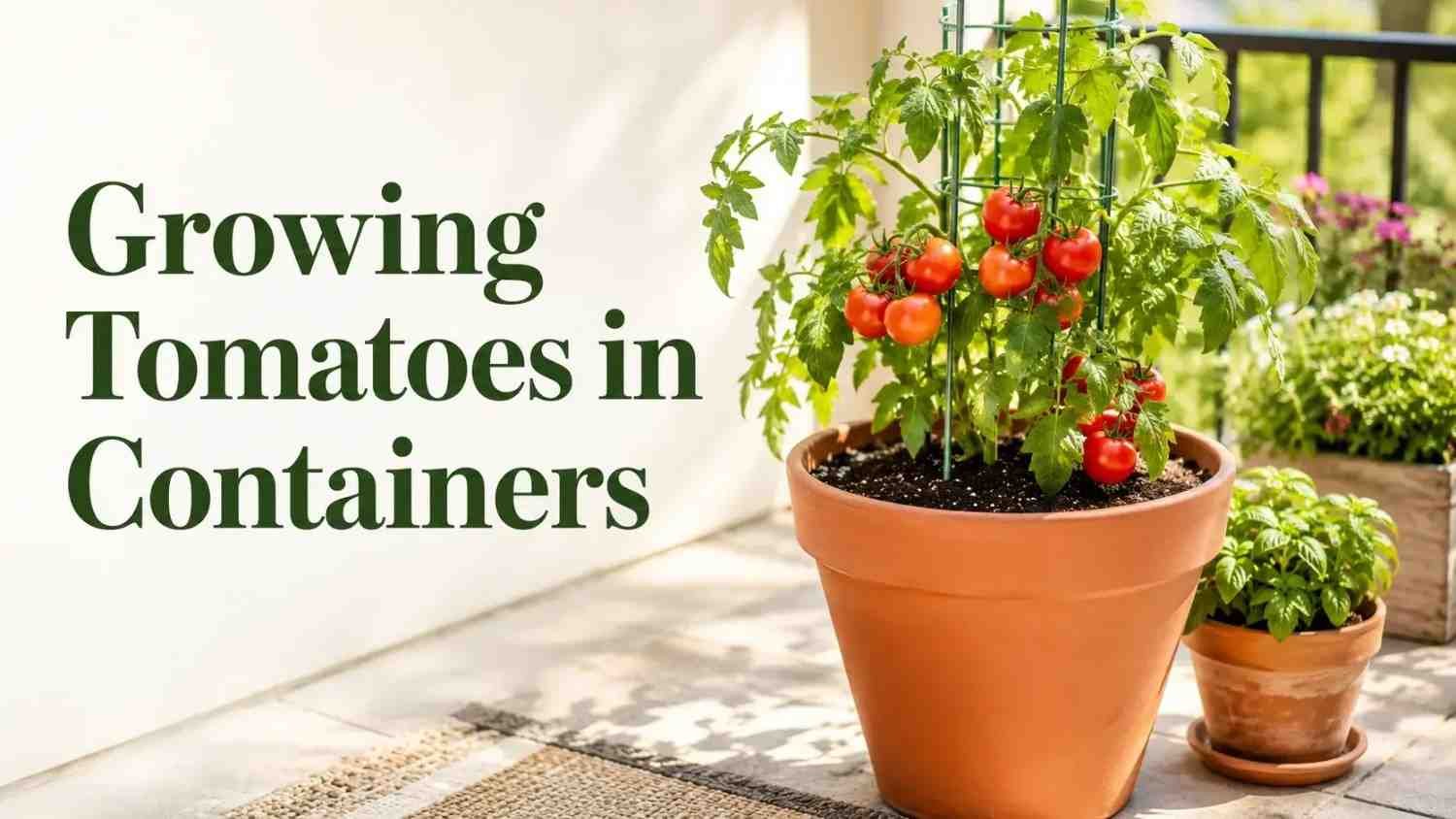
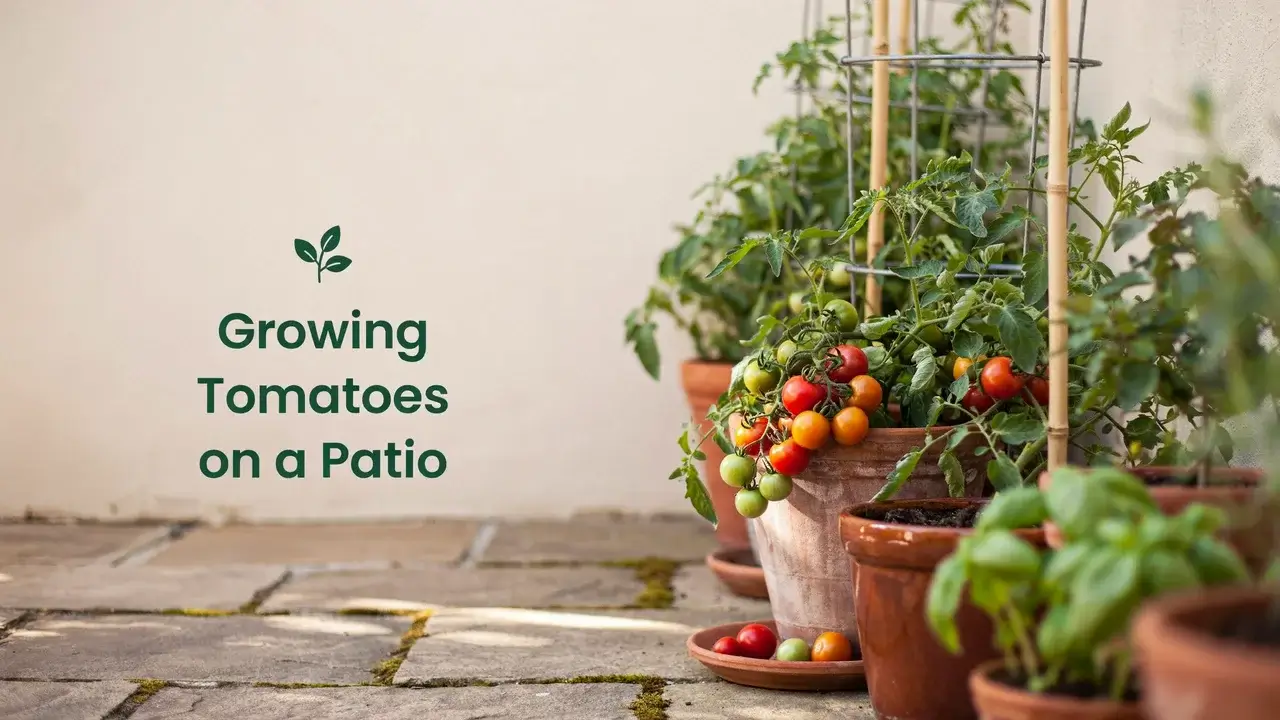
In a pot, the rule is simple: one tomato plant per container. A single plant needs the whole pot’s soil and roots to itself, so resist the urge to double up.
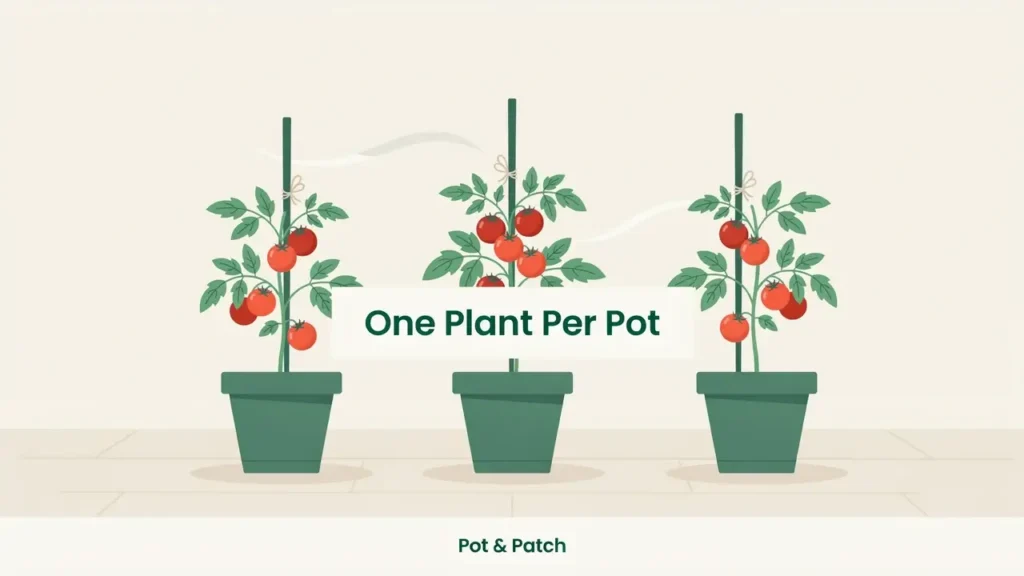
Give each pot enough room around it for air to circulate, just as you would for plants in the ground. Choosing the right pot matters as much as spacing, which our guide to the best container size for tomatoes covers.
Spacing Tomatoes With Other Crops
If you are mixing tomatoes into a bed with other vegetables, give neighbours similar breathing room.
Plant peppers about 18 to 24 inches (45 to 60 cm) from tomatoes, which suits both crops. Keep strawberries a similar distance away. Low companions like basil and marigold can tuck closer, since they stay small and do not crowd the canopy. The goal is the same as with tomatoes alone: enough space for air, light, and roots.
Row Spacing
It is easy to get plant spacing right and then forget the gaps between rows.
Space rows of most tomatoes 36 to 48 inches (90 to 120 cm) apart. Generous row spacing keeps air moving and gives you room to walk, water, and harvest. Uncaged, sprawling indeterminate plants need even wider rows, since they spread outward as the season goes on.
A tape measure is worth using here. It is easy to underestimate distances by eye and squeeze in one extra plant, which is exactly how beds end up overcrowded.
Signs You Got the Spacing Wrong
Your plants will tell you if the spacing is off.
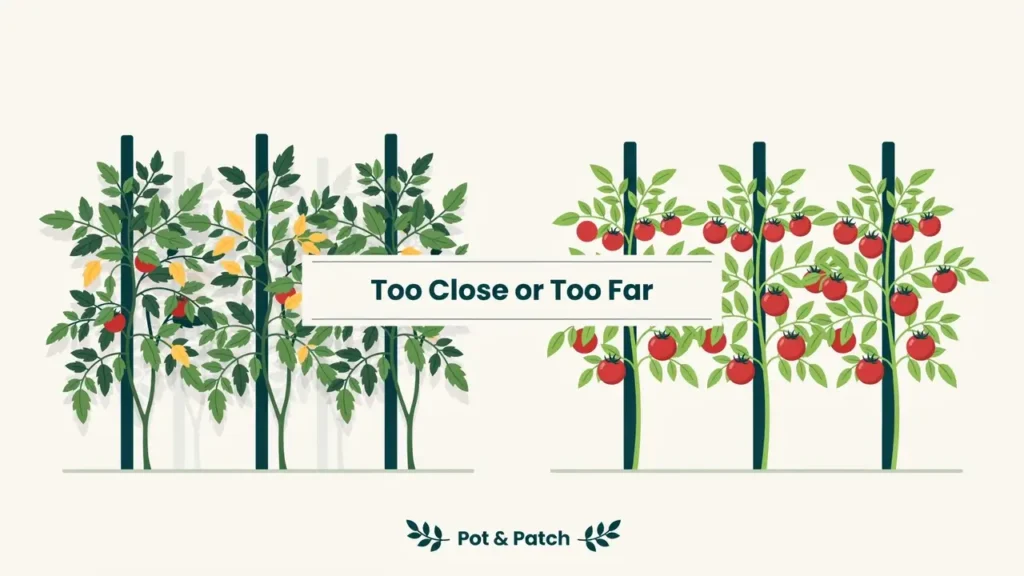
- Too close: leaves stay damp, disease appears early, lower foliage yellows, and plants grow tall and thin as they reach for light.
- Too far: plants are healthy but growing space sits empty, and weeds fill the gaps.
If seedlings are clearly too crowded soon after planting, it is worth digging one up and moving it while the roots are still small.
FAQ
How far apart do you plant tomatoes in a raised bed?
About 18 to 24 inches (45 to 60 cm) apart. The deeper, richer soil in a bed lets you use the closer end of the range.
How far apart should determinate and indeterminate tomatoes be?
Space determinate types around 24 to 30 inches (60 to 75 cm). Space staked or caged indeterminate types 24 to 36 inches (60 to 90 cm), and unsupported ones 36 to 48 inches (90 to 120 cm).
How far apart do you plant cherry tomatoes?
Most cherry tomatoes are indeterminate, so space them 24 to 36 inches (60 to 90 cm) apart with support.
How far apart do you plant Roma tomatoes?
Roma is a determinate variety, so 24 to 30 inches (60 to 75 cm) apart works well, and it takes nicely to a Florida weave.
Can you plant tomatoes too close together?
Yes. Crowded plants suffer poor airflow, more disease, and more competition, which lowers your harvest.
Final Thoughts
Tomato spacing comes down to two questions: what type is it, and how will you support it. Answer those and the right distance follows, whether you are planting in the ground, a raised bed, or a pot.
When in doubt, give plants a little more room rather than less. Good airflow and light do more for your harvest than squeezing in one extra plant ever will.