How to Start a Small Vegetable Garden: A Beginner’s Step-by-Step Guide
You do not need a big yard to grow your own food. A balcony, a patio, or a small patch by the back door is enough to start. The real skill is not space. It is starting small and getting a few things right.
This guide walks you through how to start a small vegetable garden from scratch. You will choose a space, find the sun, pick easy crops, and learn when to plant. Follow the steps in order and you will have a productive garden without the overwhelm that trips up most beginners.
Step 1: Choose Your Growing Space
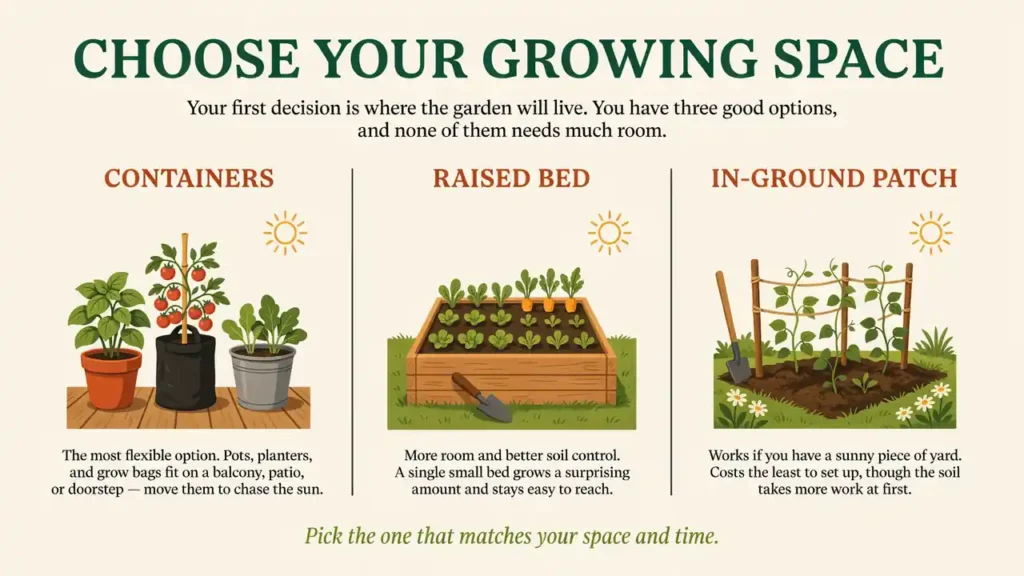
Your first decision is where the garden will live. You have three good options, and none of them needs much room.
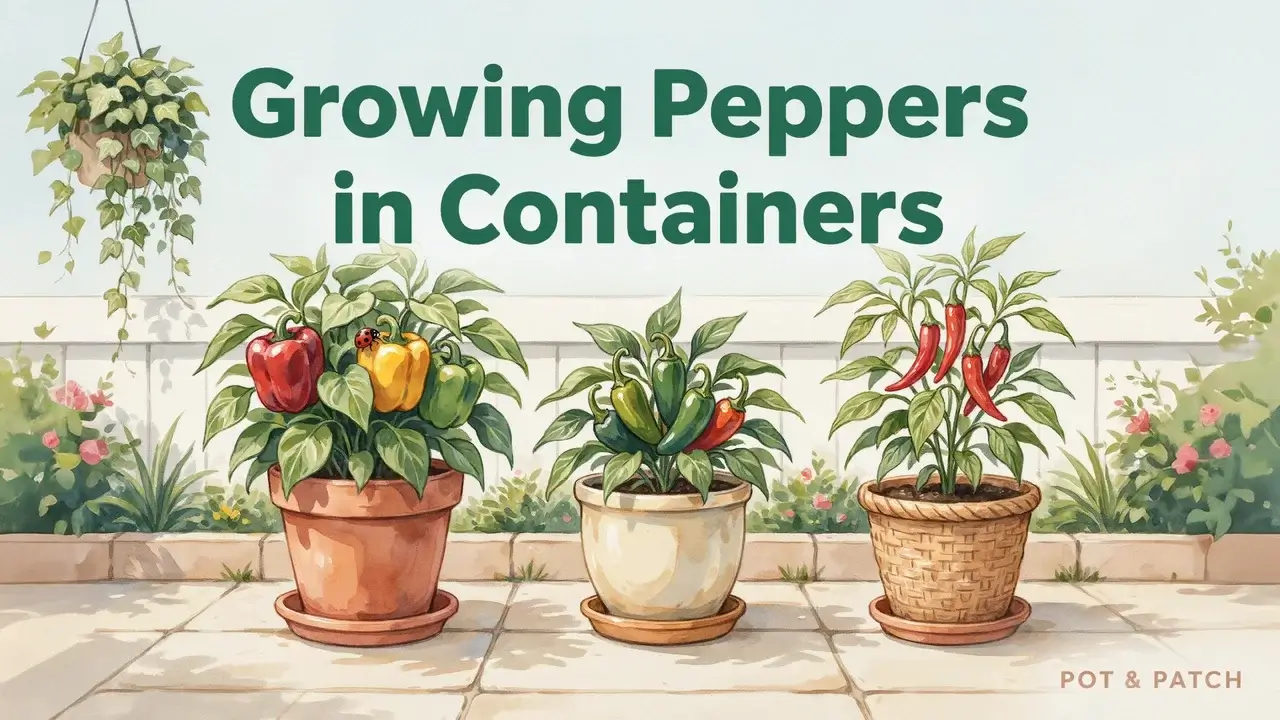
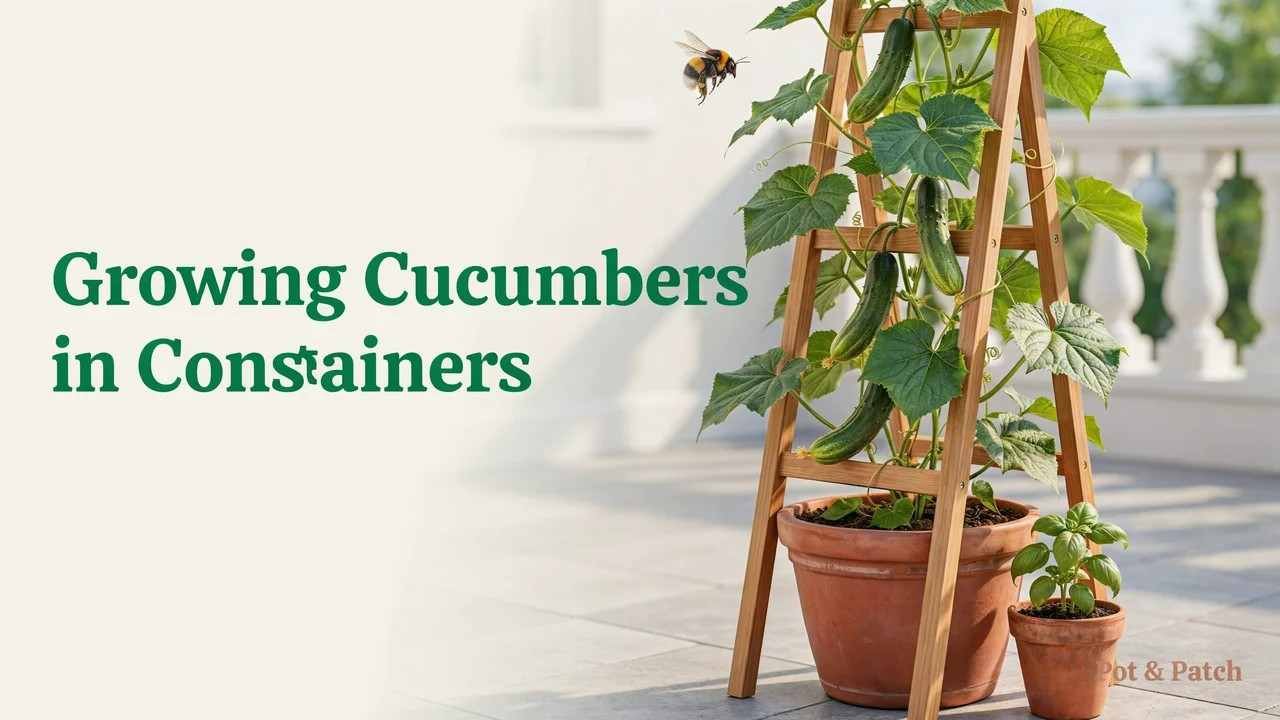
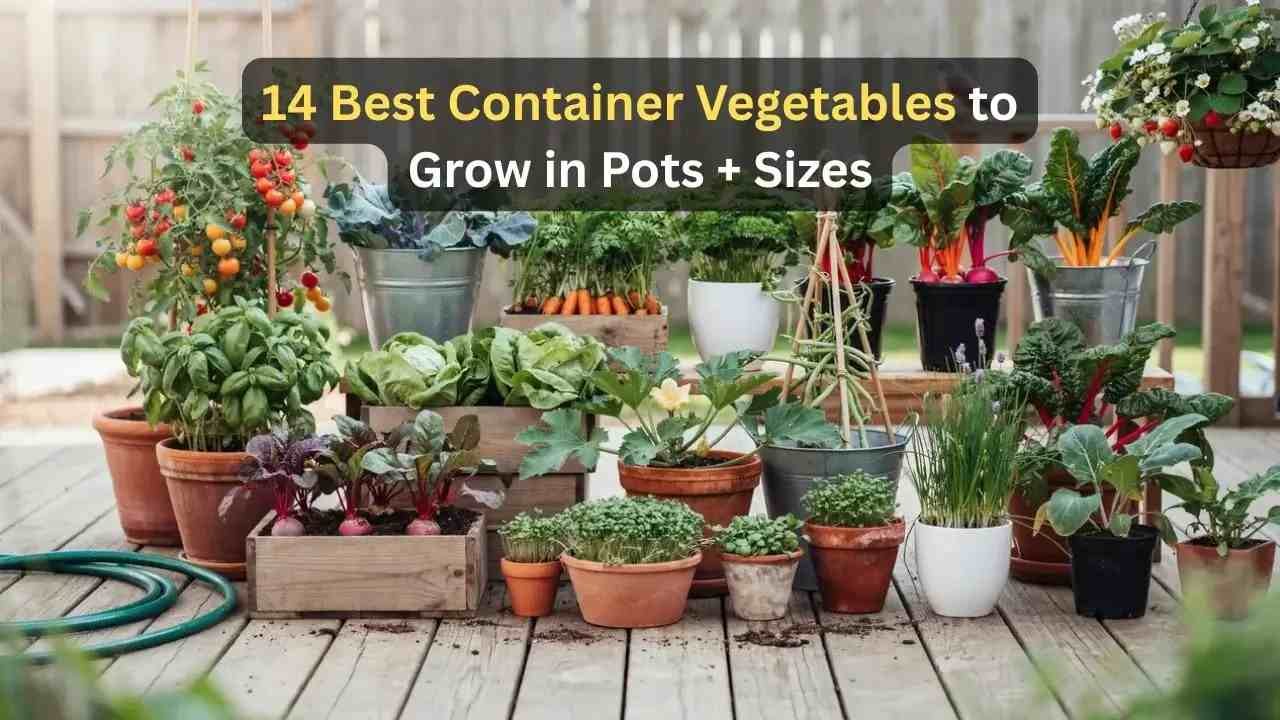
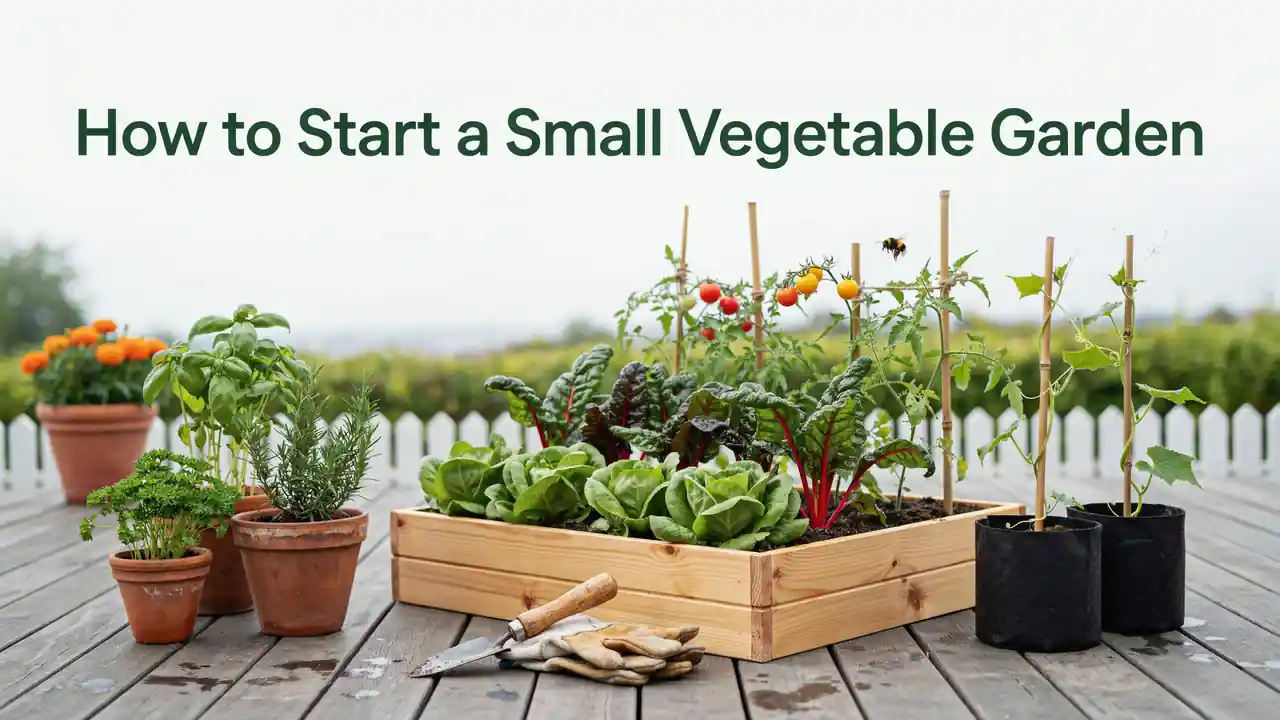
Containers are the most flexible. Pots, planters, and grow bags fit on a balcony, a patio, or a doorstep, and you can move them to chase the sun. This is the easiest way to start if you have no ground to dig.
A raised bed gives you more room and better soil control. A single small bed grows a surprising amount and stays easy to reach. It is a great middle step between pots and a full plot.
A small in-ground patch works if you have a sunny piece of yard. It costs the least to set up, though the soil takes more work at first.
Pick the one that matches your space and time. For the full setup on either method, see our guides to container gardening and raised bed vegetable gardening.
Step 2: Find the Sunniest Spot
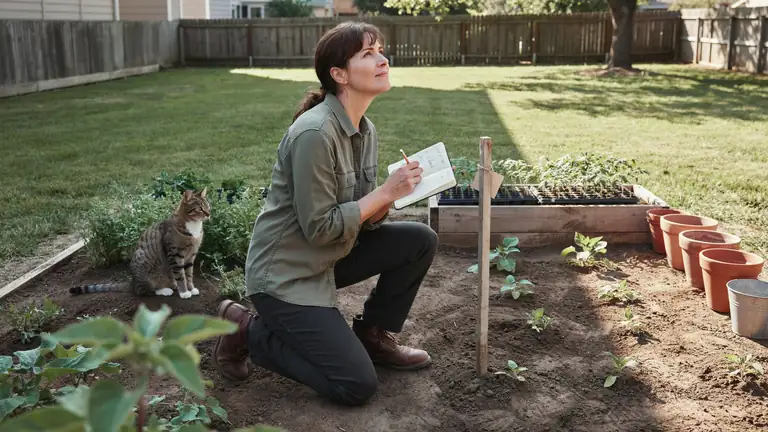
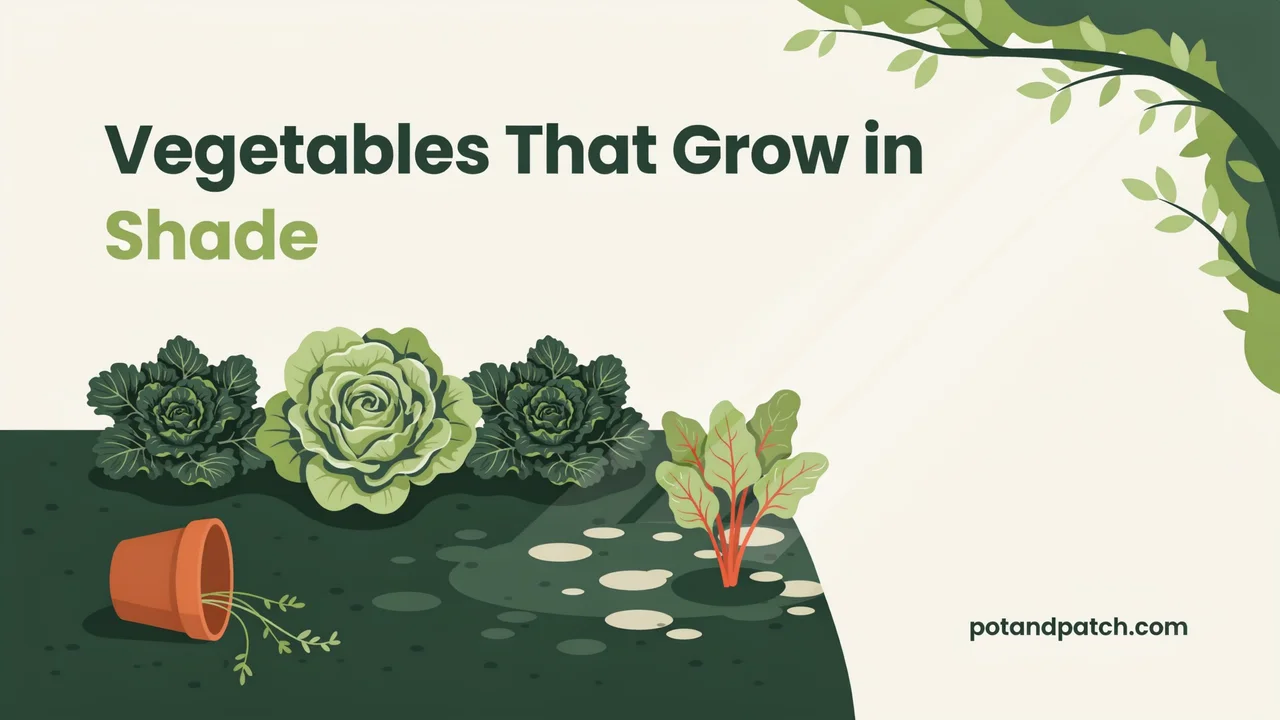
Sun is the factor that decides your success more than any other. Most vegetables are sun lovers and will not produce well in shade.
Aim for a spot that gets 6 to 8 hours of direct sun a day. The University of Maryland Extension recommends this range for warm-season crops like tomatoes and peppers. Leafy greens are more forgiving and manage on 3 to 5 hours.
Before you commit, watch the space across a full day. Note when the sun hits and when the area falls into shade. A corner that looks bright in the morning may sit in shadow by afternoon. Containers give you an edge here, since you can move them as the light changes.
Step 3: Start Small and Resist the Urge to Go Big
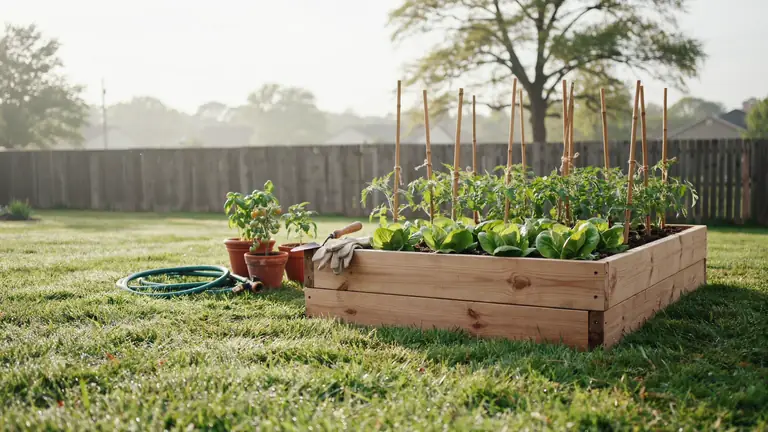
The most common beginner mistake is planting too much too soon. A large garden looks exciting in spring and becomes a weed-filled chore by July.
Keep your first garden small enough to enjoy. A 4×4 or 4×8 foot raised bed suits most first-timers. If you are growing in pots, three to five containers is plenty to learn on. A small in-ground plot around 10×10 feet is the upper limit for a first season.
A small garden is easier to water, weed, and harvest. That means you are far more likely to keep up with it and actually succeed. You can always expand next year once you know how much time you have. It is better to be proud of a small garden than frustrated by a big one.
Step 4: Get Your Soil or Potting Mix Right
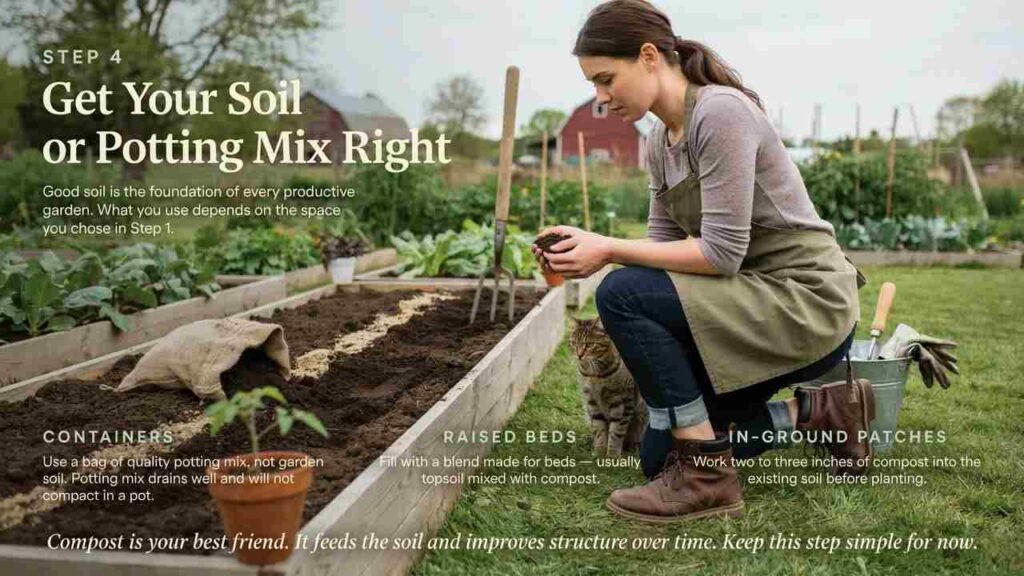
Good soil is the foundation of every productive garden. What you use depends on the space you chose in Step 1.
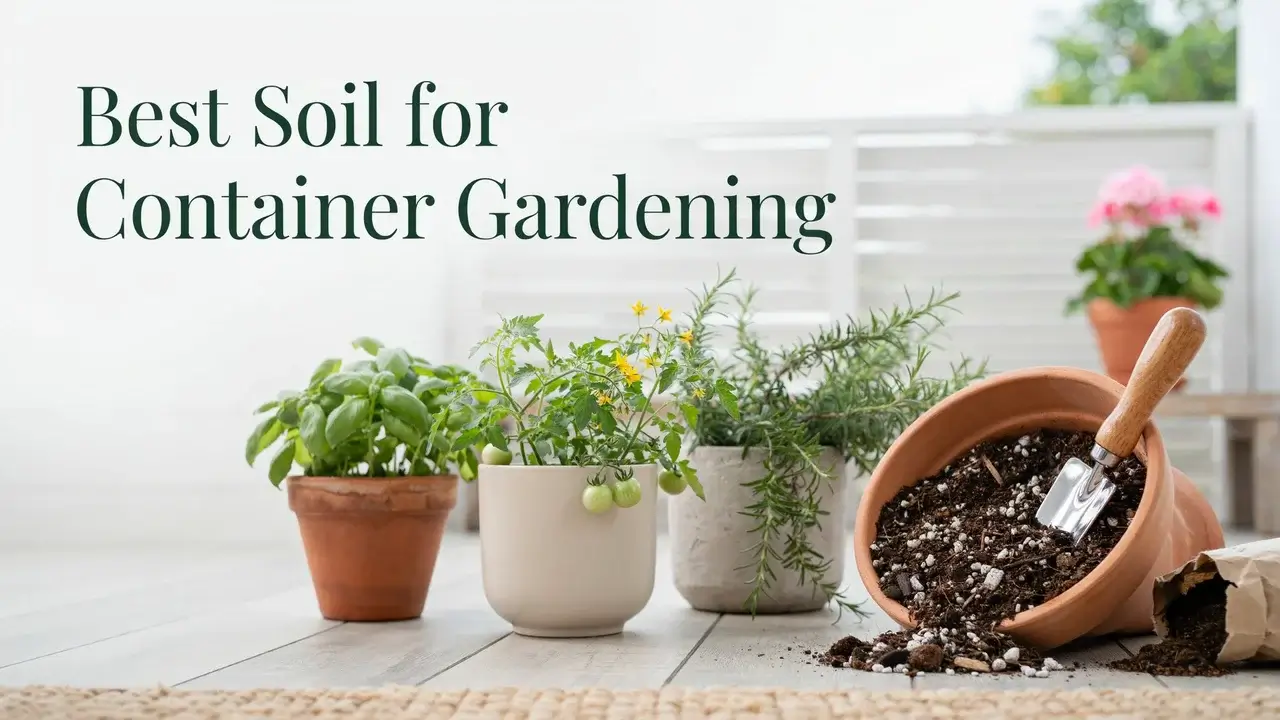
For containers, use a bag of quality potting mix, not garden soil. Potting mix drains well and will not compact in a pot. For a raised bed, fill it with a blend made for beds, usually topsoil mixed with compost. For an in-ground patch, work two to three inches of compost into the existing soil before planting.
Whatever the method, compost is your best friend. It feeds the soil and improves structure over time. Keep this step simple for now.
Step 5: Pick a Few Easy Crops
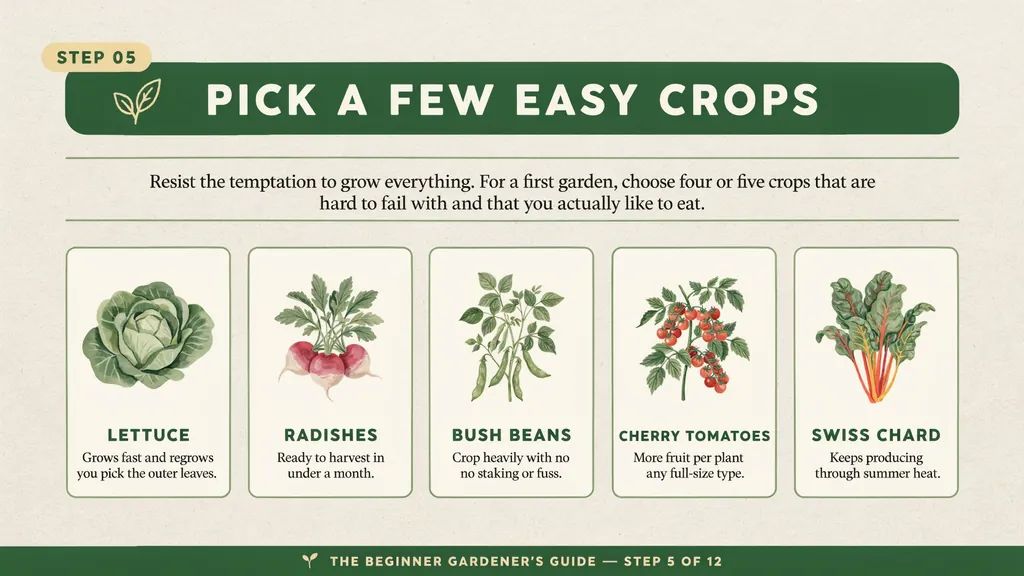
Resist the temptation to grow everything. For a first garden, choose four or five crops that are hard to fail with and that you actually like to eat.
These beginner favorites are reliable and quick to reward you:
- Lettuce grows fast and regrows after you pick the outer leaves.
- Radishes are ready to harvest in under a month.
- Bush beans crop heavily with no staking or fuss.
- Cherry tomatoes give more fruit per plant than any full-size type.
- Swiss chard keeps producing through summer heat.
Grow what your household eats, so the harvest never goes to waste. Once these feel easy, add more next season. For a fuller list with pot sizes and varieties, see our guide to the best container vegetables.
Step 6: Know When to Plant
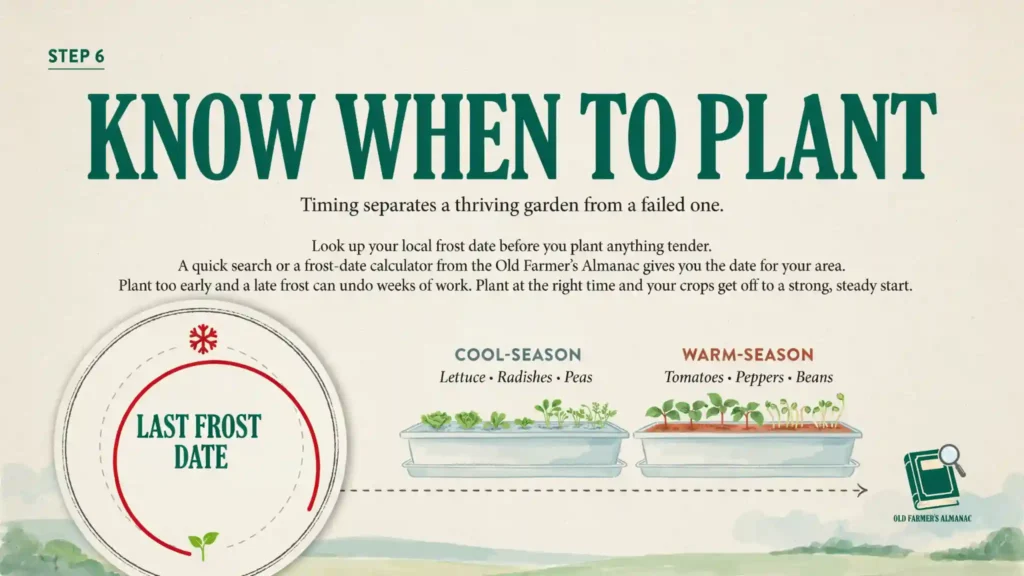
Timing separates a thriving garden from a failed one. The key is your average last frost date in spring.
Vegetables fall into two groups. Cool-season crops like lettuce, radishes, and peas tolerate light frost and go in early spring. Warm-season crops like tomatoes, peppers, and beans need warmth and should wait until after your last frost has passed.
Look up your local frost date before you plant anything tender. A quick search or a frost-date calculator from the Old Farmer’s Almanac gives you the date for your area. Plant too early and a late frost can undo weeks of work. Plant at the right time and your crops get off to a strong, steady start.
Step 7: Water, Feed, and Keep It Going
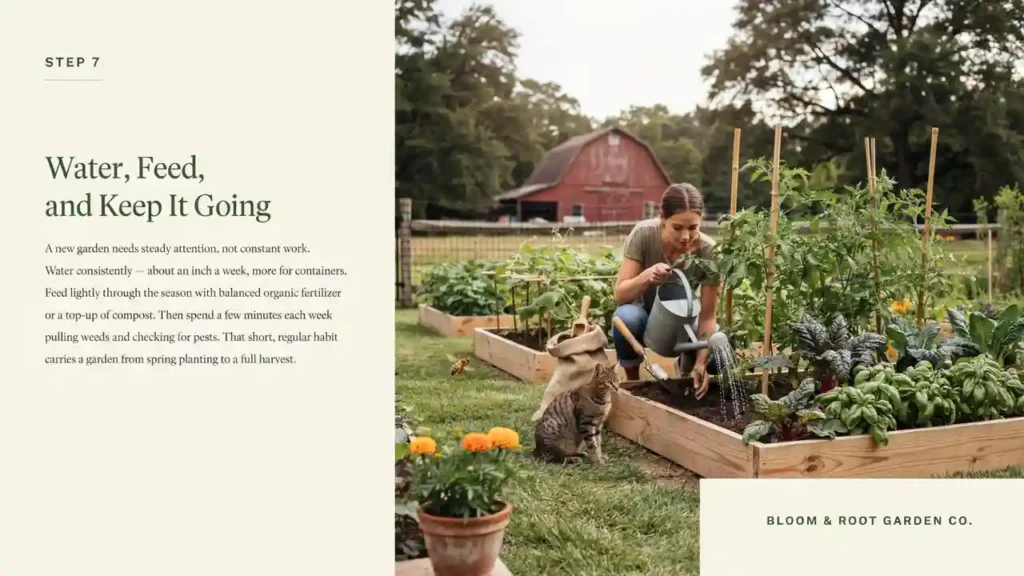
A new garden needs steady attention, not constant work. A few good habits keep it healthy.
Water consistently. Most vegetables want about an inch of water a week, and containers dry out faster than beds, so check them daily in hot weather. Feed lightly through the season with a balanced organic fertilizer or a top-up of compost.
Then spend a few minutes each week pulling weeds and checking for pests. Small problems are easy to fix when you catch them early. That short, regular habit is what carries a garden from spring planting to a full harvest.
A Simple Layout to Start With
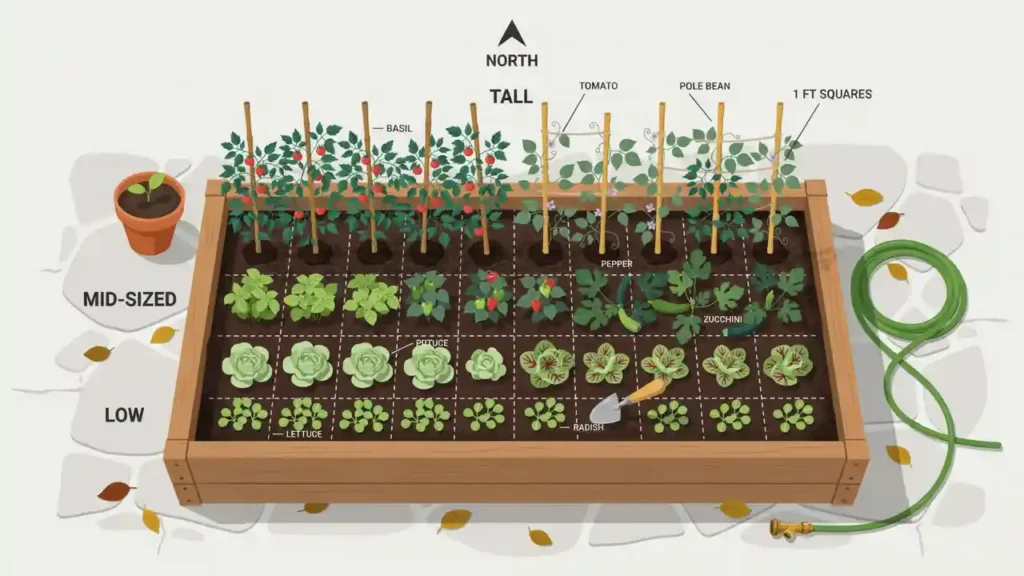
You do not need a complex plan for a first garden. One simple rule keeps things productive: put tall crops where they will not shade shorter ones.
Place tall plants like tomatoes and pole beans on the north side of your bed. Set mid-sized crops in the middle, and quick, low growers like lettuce and radishes along the front. In a raised bed, a square-foot approach helps too. Divide the bed into one-foot squares and plant each one, so no space sits empty.
That is enough structure to start. When you want to explore more designs, our layout guide breaks down the best options for a small garden.
Common Beginner Mistakes to Avoid
A few simple missteps account for most first-year disappointment. Knowing them ahead of time puts you well ahead.
Planting too much. The big one. A garden you cannot keep up with becomes a source of stress instead of food. Start small.
Choosing a shady spot. Tucking the garden into a hidden corner with too little sun leads to weak, unproductive plants. Follow the light, not the convenience.
Skimping on soil. Poor or exhausted soil limits your harvest no matter what you plant. Start with good mix and add compost each season.
Letting it get away. Gardens need small, regular check-ins. A weekly habit of watering, weeding, and looking closely prevents most problems before they grow.
Frequently Asked Questions
How big should a beginner vegetable garden be?
Start small. A 4×4 or 4×8 foot raised bed, or three to five containers, is ideal for a first garden. A small garden is easier to manage, which makes success far more likely. You can always expand once you know how much time you have.
How much sunlight does a small vegetable garden need?
Most vegetables need 6 to 8 hours of direct sun each day. Leafy greens like lettuce and spinach tolerate less, around 3 to 5 hours. Watch your space across a full day before you commit to a spot.
What vegetables are easiest for a first-time gardener?
Lettuce, radishes, bush beans, cherry tomatoes, and Swiss chard are among the most forgiving. They grow quickly, need little fuss, and give a real harvest. Choose the ones your household actually eats.
When should I start my first vegetable garden?
Spring is the usual starting point, guided by your last frost date. Cool-season crops can go in early, while warm-season crops wait until after the last frost. Look up your local frost date before planting anything tender.
How much does it cost to start a small vegetable garden?
You can start for very little. A few pots, a bag of potting mix, and some seeds or seedlings cost under fifty dollars. A raised bed costs more up front but lasts for years. Starting small keeps the initial spend low while you learn.
Start Small, Start This Week
Learning how to start a small vegetable garden comes down to a handful of simple choices done well. Pick your space, find the sun, start small, and choose a few crops you love.
You do not need experience or a big yard to grow real food. Choose a sunny spot and two easy crops this week, and you are already a gardener. Keep it small, tend it a little each week, and let your garden grow from there.