Why Are My Tomato Flowers Falling Off? Causes & Fixes
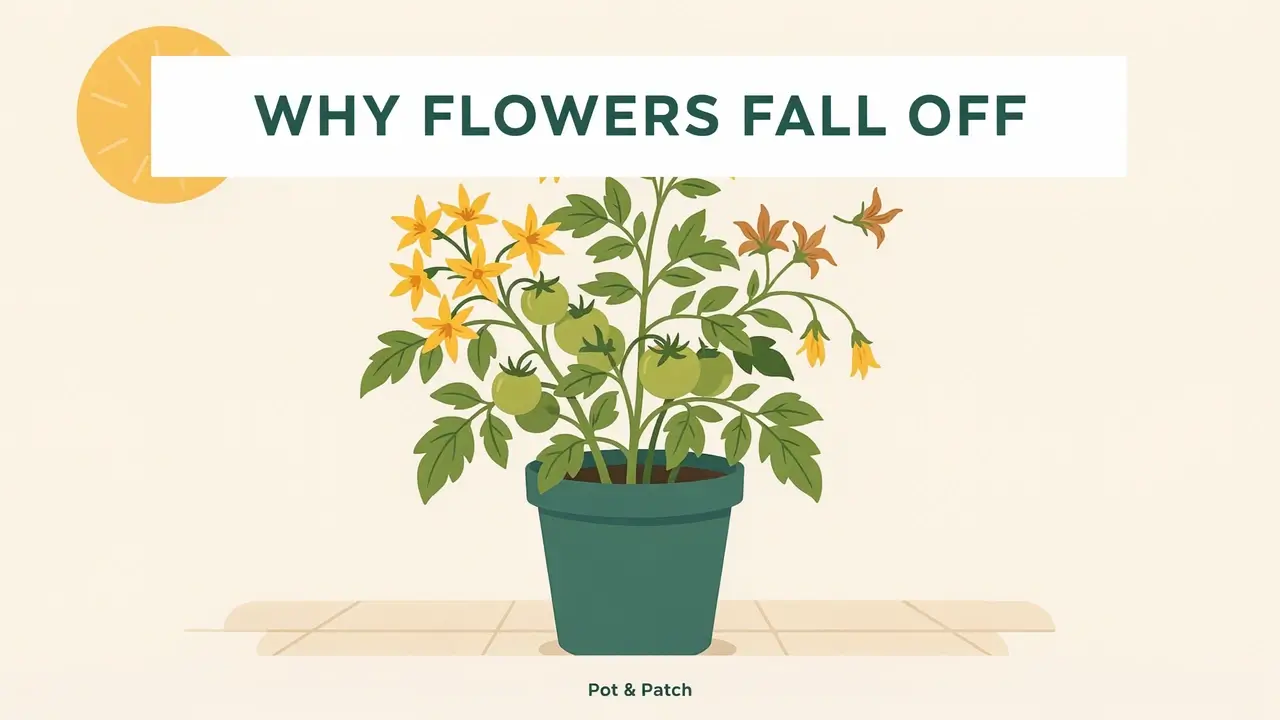
Seeing yellow tomato flowers turn brown and fall off before producing fruit can be frustrating, especially when the rest of your plant looks healthy. One day, the branches are covered in blossoms. A few days later, the flowers have dried up, leaving empty stems behind.
Tomato flowers falling off is a common problem called blossom drop. It usually happens when high temperatures, cold nights, water stress, or other unfavorable conditions interfere with normal pollination and fruit development.
The good news is that blossom drop is often temporary. A healthy tomato plant can produce new flowers and set fruit once growing conditions improve.
Before changing your fertilizer or watering routine, look at the flowers, check recent temperatures, and examine the soil moisture. These clues can help you identify the likely cause and take the right steps to protect the next round of blossoms.
What Is Tomato Blossom Drop?
Tomato blossom drop happens when a plant sheds its flowers before they develop into tomatoes.
Normally, a tomato flower opens, releases pollen, and undergoes fertilization. The small ovary at the base of the flower then begins developing into fruit.
When conditions interfere with this process, the flower may stop developing, dry out, and eventually detach from its stalk.
This process is called flower abortion or flower abscission.
Sometimes only a few blossoms fall. During prolonged heat or other serious stress, an entire flower cluster may be affected.
Blossom drop is considered a physiological problem because environmental conditions and plant stress are common causes. It does not automatically mean your tomato plant has a disease or pest infestation.
A tomato plant can also have several healthy fruits developing on older clusters while newer flowers are dropping.
That is because flowering and fruit development occur continuously on many varieties, and each cluster may experience different growing conditions.
What Does Tomato Blossom Drop Look Like?
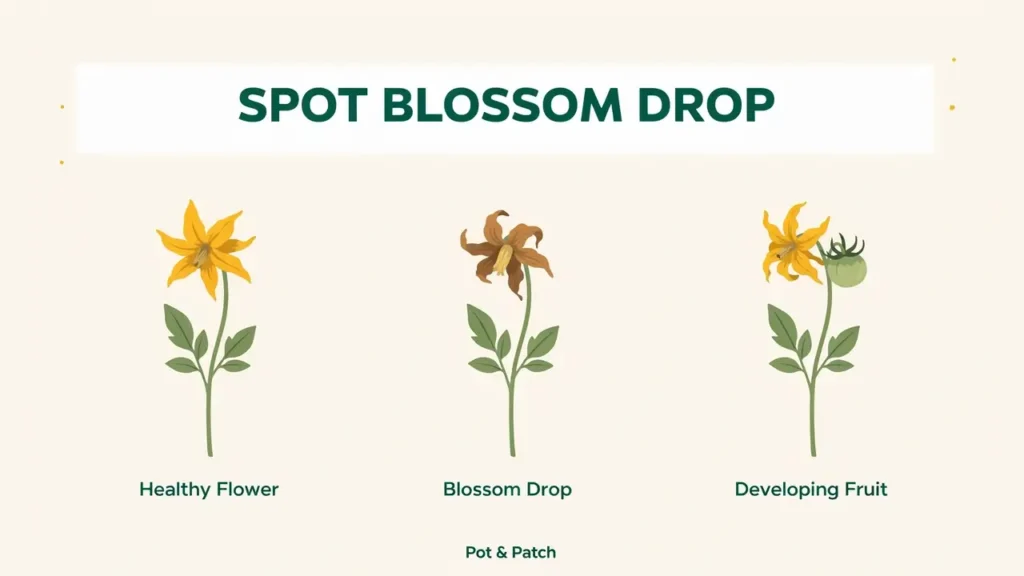
The clearest sign is a flower that dries or detaches without leaving a developing tomato behind. However, not every change in a tomato flower means something has gone wrong.
Healthy tomato blossoms naturally lose their petals as fruit develops. The important difference is whether the small ovary remains attached and begins to enlarge.
Tomato Flowers Turning Brown and Drying Up
A blossom affected by environmental stress may lose its bright yellow color, become brown, and develop a dry, brittle appearance.
The petals may shrivel while the flower is still attached to the plant. Eventually, the dead flower may fall away.
If several flowers on the same cluster turn brown during a heat wave, temperature stress is a likely explanation.
However, brown flowers alone cannot confirm the cause. Look for other clues, including recent weather, root-zone moisture, and unusual fungal growth.
Yellow Flower Stems and Flowers Falling Off
A particularly useful sign is yellowing along the small stalk supporting a tomato flower. This stalk is called the pedicel.
When a flower is about to abort, part of the pedicel may turn yellow as an abscission zone develops. The flower can then separate from the plant.
You might notice a cluster of small yellowing flower stalks where healthy blossoms were present earlier. When this occurs without obvious pest damage or disease, environmental stress is worth investigating first.
Tomato Flowers Dying Before Opening
Sometimes tomato buds turn yellowish-brown, shrivel, or detach before opening fully. This may happen when the plant experiences unfavorable temperatures, severe moisture stress, or other disruptions during flower development.
A bud that dies before opening cannot be successfully hand-pollinated.
Instead of trying to save the damaged bud, identify what is stressing the plant and protect the flowers that develop next.
If unopened buds repeatedly die despite suitable growing conditions, examine the plant for other symptoms and consider contacting your local Cooperative Extension office.
Normal Petal Loss vs. Actual Blossom Drop
A tomato flower can lose its petals and still produce a perfectly healthy tomato. Use the following comparison to tell the difference.
| What You See | What It Usually Means | What to Do |
|---|---|---|
| Yellow petals dry, but a small green fruit remains | Normal fruit development | Leave it alone |
| Entire flower falls with no developing fruit | Possible blossom drop | Check temperature and plant stress |
| Flower stalk turns yellow before detaching | Flower abortion | Investigate growing conditions |
| Several blossoms turn brown during hot weather | Heat-related blossom drop is possible | Reduce avoidable heat stress |
| Brown flowers have fuzzy gray growth | Possible fungal disease | Examine affected tissue and seek identification |
| Flowers stay attached but no fruit develops | Possible fruit-set problem | Check pollination and environmental conditions |
The main question is whether the ovary remains attached and begins growing. If it does, a drying flower may simply be part of normal tomato development.
Why Are My Tomato Flowers Falling Off?
Temperature stress is one of the most common causes of blossom drop, particularly during summer. However, moisture problems, excessive nitrogen, unfavorable humidity, and inadequate pollen release can also contribute.
The following causes are arranged roughly in the order gardeners should investigate them, beginning with the weather.
1. High Daytime Temperatures
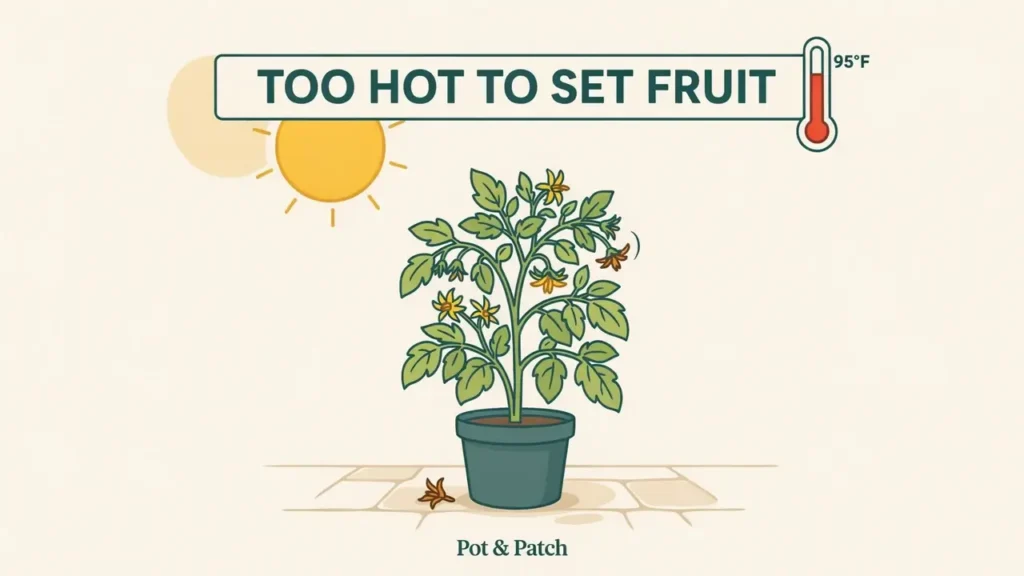
Tomatoes grow well in warm weather, but excessive heat can interfere with successful fruit set. When daytime temperatures remain around 90°F (32°C) or higher, many varieties begin experiencing pollination difficulties.
Prolonged heat may reduce pollen viability, interfere with fertilization, and cause developing flowers to abort.
This is especially noticeable during summer heat waves. You may see plenty of healthy green leaves and strong stems, yet flowers continue falling without producing tomatoes.
The plant is not necessarily dying. Its flowers may simply be unable to develop normally under the prevailing conditions.
Short periods of hot weather do not always cause serious problems. The duration of heat exposure, nighttime temperatures, humidity, and variety all influence the outcome.
What helps: Maintain consistent root-zone moisture, reduce excessive reflected heat around containers, and provide temporary afternoon shade during severe heat.
Remember that even well-watered plants may lose blossoms during prolonged high temperatures.
2. Warm Nights or Cold Weather
Nighttime temperature is just as important as daytime heat. Tomatoes may struggle to set fruit when nights remain above approximately 70°F to 75°F (21°C to 24°C), especially when daytime temperatures are also high.
Cool nights below about 55°F (13°C) can also interfere with pollen development and fertilization. These temperatures are useful warning ranges rather than exact cutoffs that apply to every variety.
In spring, cold nights can disrupt early flowering. During midsummer, warm nights may prevent tomato plants from recovering from daytime heat.
Check your local weather history if several clusters suddenly begin dropping blossoms. When temperature is the main cause, plants often resume fruit set after conditions become more favorable.
3. Humidity That Is Too High or Too Low
Tomato pollen must be released from the anthers and reach the stigma for normal fertilization. Humidity influences how effectively that happens. When relative humidity becomes very high, pollen may clump together and become difficult to release.
Very dry conditions can also interfere with normal pollination, particularly when combined with heat and drying winds. Greenhouses and enclosed balconies may experience stronger humidity fluctuations than open gardens.
Good ventilation can help reduce excessively humid conditions in protected growing spaces. However, improving airflow will not fully overcome severe temperature stress or nonviable pollen.
4. Inconsistent Watering and Drought Stress
Tomato plants need consistent access to moisture, especially during flowering and fruit development. When the root zone becomes excessively dry, the plant may struggle to maintain normal growth.
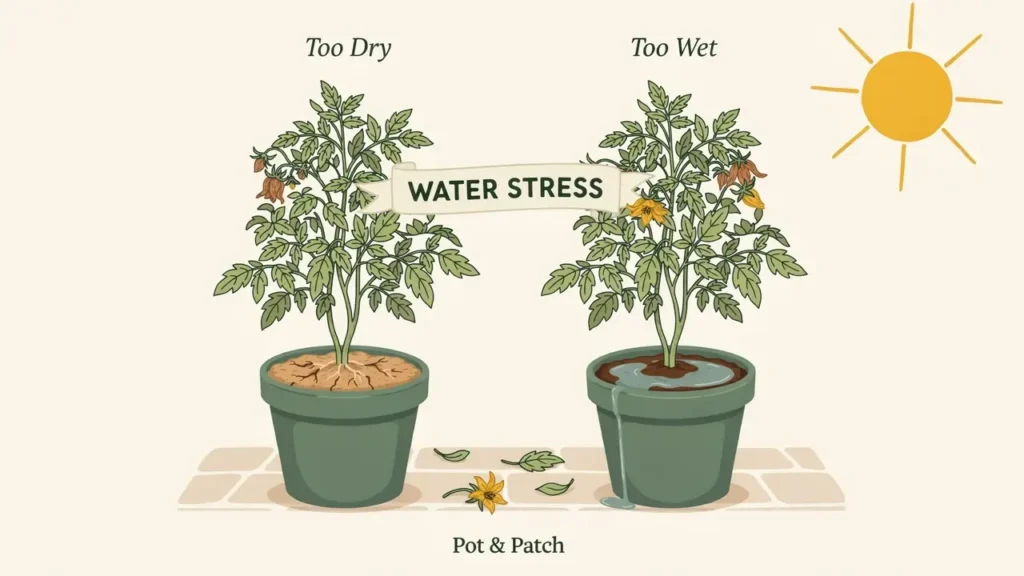
Severe drought stress can contribute to flower abortion. Container-grown tomatoes are particularly vulnerable because pots hold a limited amount of growing medium.
A small container exposed to direct afternoon sun may dry out much faster than a large pot in milder weather.
However, watering too frequently can create a different problem.
Saturated soil limits oxygen around the roots, and prolonged waterlogging can also interfere with plant health.
The goal is evenly moist, well-drained growing medium, not constantly wet soil.
Check moisture beneath the surface before watering, and adjust the frequency to suit actual conditions. For detailed instructions, read our guide to watering tomatoes in pots.
5. Excess Nitrogen Fertilizer
Nitrogen is essential for tomato growth, but too much can encourage excessive foliage production.
A plant receiving more nitrogen than it needs may develop large, dark-green leaves and vigorous stems while producing fewer flowers or fruits.
Excessive fertilization can also increase soluble salt concentrations in the root zone, placing additional stress on the plant. This does not mean every bushy tomato plant is overfertilized.
Variety, pruning, growing conditions, and normal growth habits also affect foliage production. Before adding another fertilizer dose, check the product instructions and your recent feeding schedule.
Avoid trying to correct blossom drop by repeatedly adding more fertilizer. For container-specific feeding advice, see best fertilizer for tomatoes in containers.
6. Insufficient Flower Vibration
Tomato flowers are generally self-fertile. Each typical flower contains the structures needed for pollination, so a second tomato plant is not required.
However, the flower usually benefits from gentle vibration that helps release pollen. Outdoors, wind and certain bees often provide this movement naturally.
Inside greenhouses, indoor growing areas, or sheltered patios, flower clusters may receive less movement.
In those situations, occasional hand pollination can help.
Gently tap or shake the stem supporting open blossoms, or briefly use a vibrating electric toothbrush against the flower stalk.
Do not strike or pull the blossoms. Our separate guide explains how to pollinate tomato plants using simple methods.
Important: Extra vibration cannot fix pollen damaged by excessive heat or unsuitable temperatures.
7. Strong Wind and Other Plant Stress
Wind can affect tomato blossoms in two different ways.
Gentle movement may help release pollen, while strong, hot, drying winds can increase water loss and stress the plant. Exposed balconies and rooftop gardens may experience particularly harsh conditions.
Other stresses that can contribute to poor flowering or fruit development include root damage, severe nutrient imbalance, restricted root growth, and inadequate sunlight.
Do not assume every flower that falls has one simple cause. A heat wave combined with dry potting mix, for example, may create more stress than either condition alone.
8. Pests or Fungal Problems Affecting Flowers
Environmental stress is common, but not all flower damage is ordinary blossom drop. Certain pests may feed on buds or flowers, and fungal diseases can affect blossoms under favorable conditions.
Gray mold, caused by Botrytis species, may produce fuzzy gray growth on infected flower tissue, particularly in humid conditions.
This differs from a dry flower that simply turns brown and detaches during hot weather.
If you notice unusual spots, visible fungal growth, damaged buds, or insects feeding directly on flowers, inspect the plant more carefully.
Avoid applying insecticides or fungicides simply because blossoms have fallen.
Treatment should depend on identifying the actual problem.
How to Stop Tomato Flowers From Falling Off
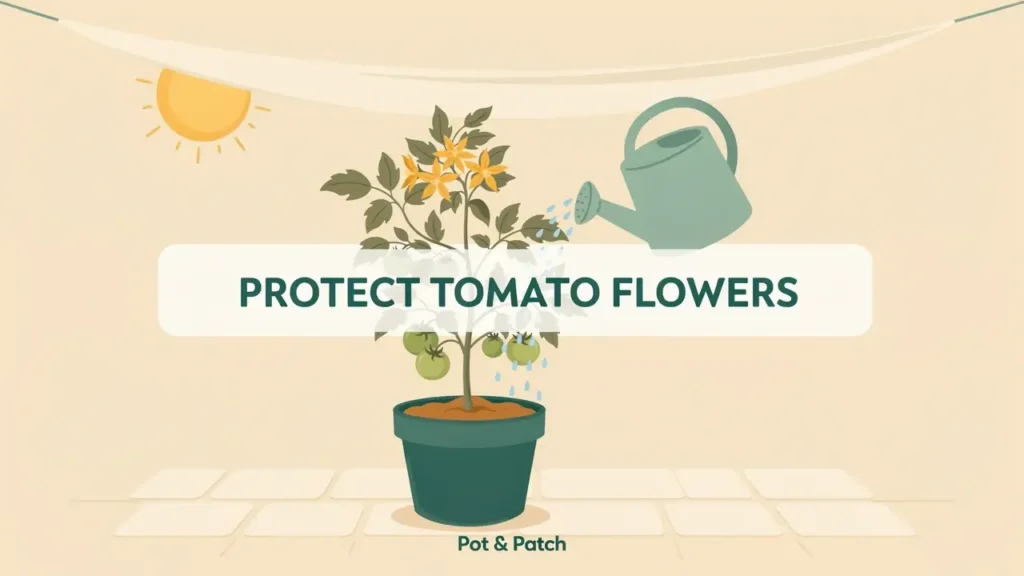
There is no single product that prevents every case of blossom drop. The most effective approach is to identify the cause, correct manageable growing problems, and help the plant produce healthy new flowers.
Start with temperature and watering because these are common sources of stress.
Protect Plants During Extreme Heat
You cannot control outdoor air temperatures, but you can reduce some of the heat stress surrounding your tomatoes.
For container-grown plants, practical steps include:
- Provide temporary afternoon shade during severe heat.
- Keep containers away from surfaces that radiate excessive heat.
- Maintain consistent root-zone moisture.
- Use suitable mulch to reduce surface evaporation.
- Avoid unnecessary pruning during a heat wave.
- Improve ventilation in protected growing areas.
A light shade cloth may be useful during periods of intense afternoon sun.
However, tomato plants still need adequate light for healthy growth and fruit production. Avoid moving them into deep shade for extended periods.
Temporary shading can reduce heat load, but it may not prevent blossom drop during prolonged hot nights.
Keep Root-Zone Moisture Consistent
Check the potting mix regularly, especially when plants are flowering during warm weather. Water thoroughly when the root zone needs moisture, allowing excess water to drain.
Avoid repeated cycles of severe drying followed by heavy watering. Do not assume that drooping leaves always mean a plant needs more water. Check the growing medium first. If the soil remains wet, adding water may increase root stress.
Avoid Overfertilizing With Nitrogen
Follow the feeding instructions for your tomato fertilizer. Avoid applying extra nitrogen simply because flowers are dropping.
A balanced feeding program should support foliage, root growth, flowering, and fruit development without encouraging excessive vegetative growth.
If you suspect overfertilization, review the product’s application rate and your recent feeding history before making changes.
Additional calcium, Epsom salt, or potassium will not automatically correct temperature-related blossom drop.
Improve Greenhouse or Balcony Airflow
Enclosed growing spaces can trap heat and humidity. Open appropriate vents or improve air circulation when conditions permit.
Gentle airflow may also help tomato flowers release pollen. Avoid placing plants in strong, damaging drafts.
For a sheltered balcony, consider whether surrounding walls are trapping heat or blocking natural movement.
Hand Pollinate Only When It Can Help
If the weather is favorable but flowers receive little natural vibration, try gently tapping newly opened flower clusters.
You can also use a clean electric toothbrush to provide brief vibration near the blossoms. This may improve pollen release in protected environments.
However, if several days of extreme heat are responsible for flower abortion, hand pollination alone is unlikely to solve the problem. Correct the growing environment where possible and allow new flowers to form.
Inspect Flowers for Unusual Disease or Pest Signs
Check the flower clusters closely before using any treatment. Look for fuzzy fungal growth, obvious feeding damage, distorted buds, or insects.
If the flowers are simply drying and dropping during a heat wave, a pesticide is unlikely to help.
When symptoms are unusual or persistent, your local Cooperative Extension office can assist with identification.
Why Tomato Flowers Fall Off in Pots and Containers
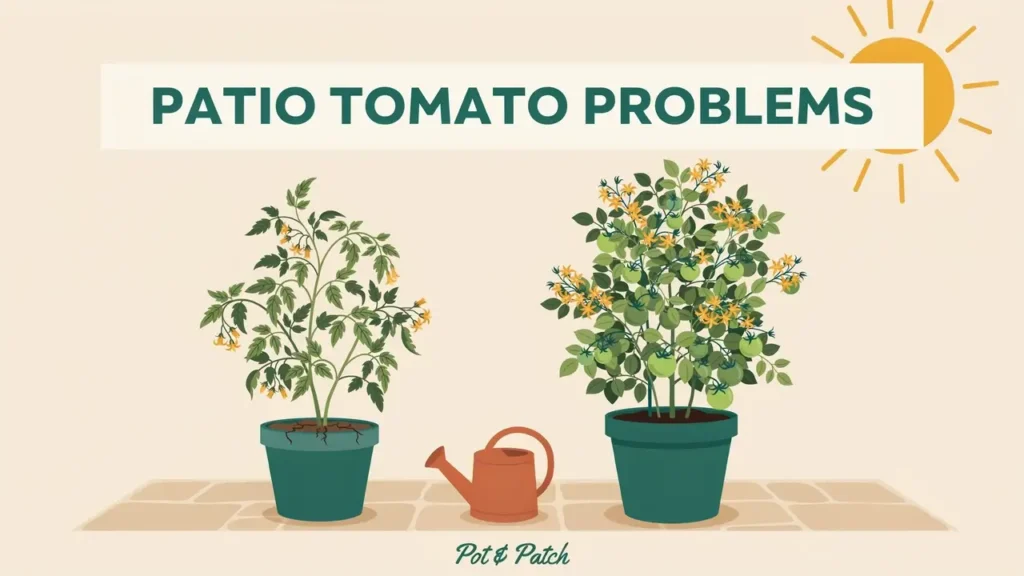
Container tomatoes experience the same biological causes of blossom drop as tomatoes grown in garden soil. However, containers can make several stress factors more severe.
Small Pots Dry Out Quickly
A mature tomato growing in a small pot may use the available moisture rapidly during hot weather. Repeated water shortages can add stress during flowering.
Choose a container suited to the mature plant and monitor moisture closely. If you’re unsure about sizing, see our best container size for tomatoes guide.
Containers Can Overheat
Dark pots sitting on hot concrete or exposed paving may become much warmer than the surrounding air. High root-zone temperatures can add to plant stress.
Move containers away from extremely hot surfaces where practical, or use an outer container to help insulate the root zone without blocking drainage.
Exposed Balconies Increase Water Loss
Balconies may receive strong sun and drying winds. Both can increase water demand and affect delicate flower clusters.
Keep plants supported and monitor moisture during windy weather.
Sheltered Patios May Lack Flower Movement
An enclosed patio may have little airflow even when temperatures are suitable. In this situation, gentle hand pollination may be helpful.
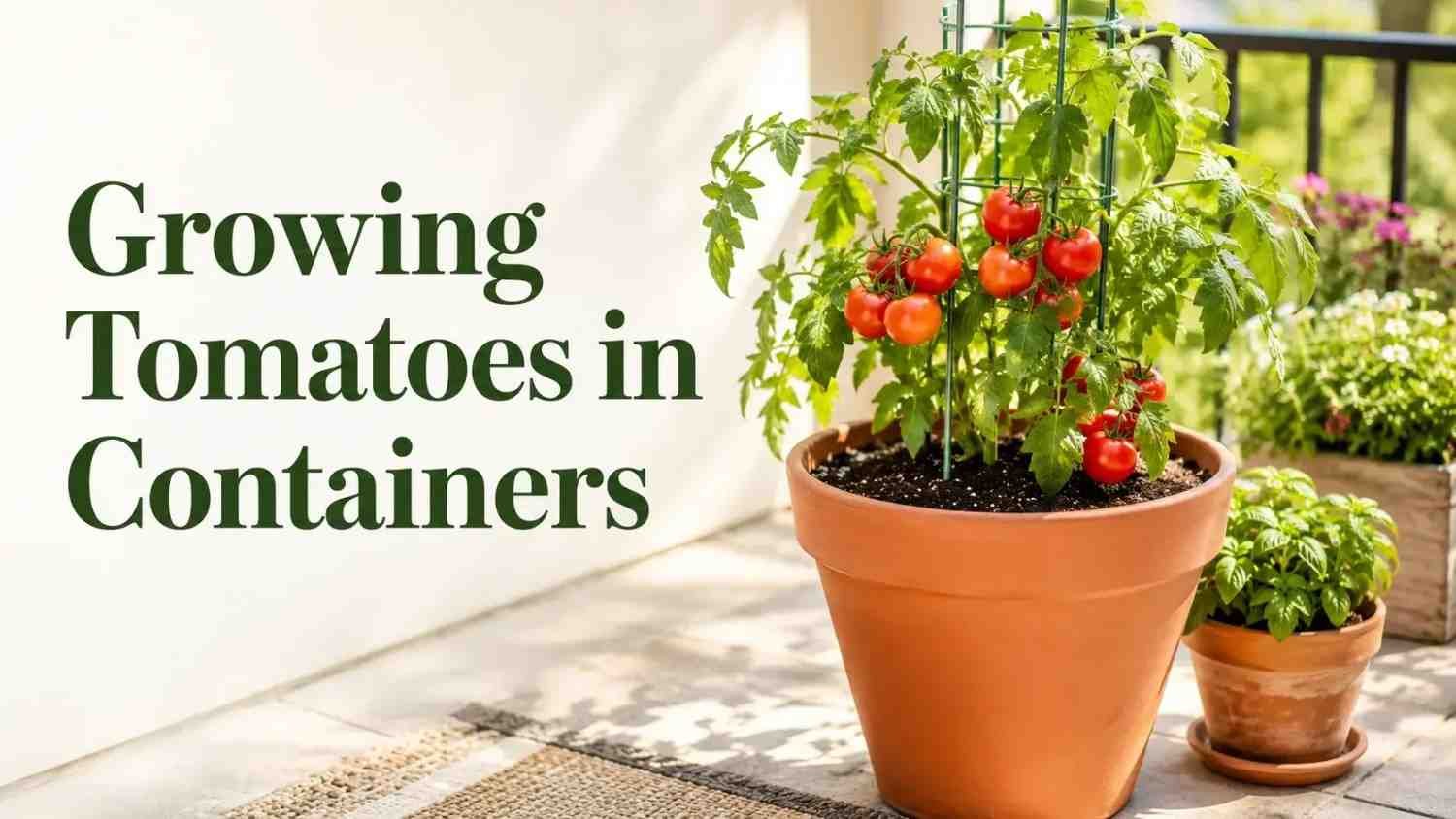
Still, check heat and humidity before assuming poor vibration is the only issue. The broader principles of pot selection, support, soil, and growing conditions are covered in our growing tomatoes in containers guide.
Can a Tomato Plant Recover From Blossom Drop?
Yes. Many tomato plants recover from blossom drop when favorable conditions return. A flower that has already detached cannot be reattached or saved.

However, a healthy plant can develop new flower clusters and produce fruit later in the season. Recovery depends on the cause, plant condition, variety, and time remaining in the growing season.
For example, a tomato plant that loses flowers during a July heat wave may begin setting fruit again after cooler temperatures return.
Indeterminate tomatoes continue producing new growth and flower clusters over an extended period.
Determinate varieties have a more concentrated growth and fruiting pattern, so losing a major flush of flowers can have a greater effect on their harvest.
Avoid severely pruning or replacing an otherwise healthy tomato plant solely because it has experienced temporary blossom drop.
Instead:
- Confirm that the plant’s foliage and stems remain healthy.
- Correct moisture or fertilization problems where appropriate.
- Reduce avoidable heat stress.
- Watch for new flower clusters.
- Check whether the next blossoms develop into small green tomatoes.
Improvement is measured by successful fruit development on new flowers, not by expecting old damaged blossoms to recover.
Tomato Blossom Drop vs. Other Flower and Fruit Problems
Several tomato problems sound similar but affect different parts of the plant.
Understanding the difference helps you avoid using the wrong treatment.
| Problem | Main Symptom | Key Difference |
|---|---|---|
| Tomato blossom drop | Entire flowers die or detach | No fruit develops from the lost blossom |
| Normal petal shedding | Petals dry and fall away | Small developing tomato remains attached |
| Poor fruit set | Flowers appear but fruit does not develop normally | The flower may or may not detach |
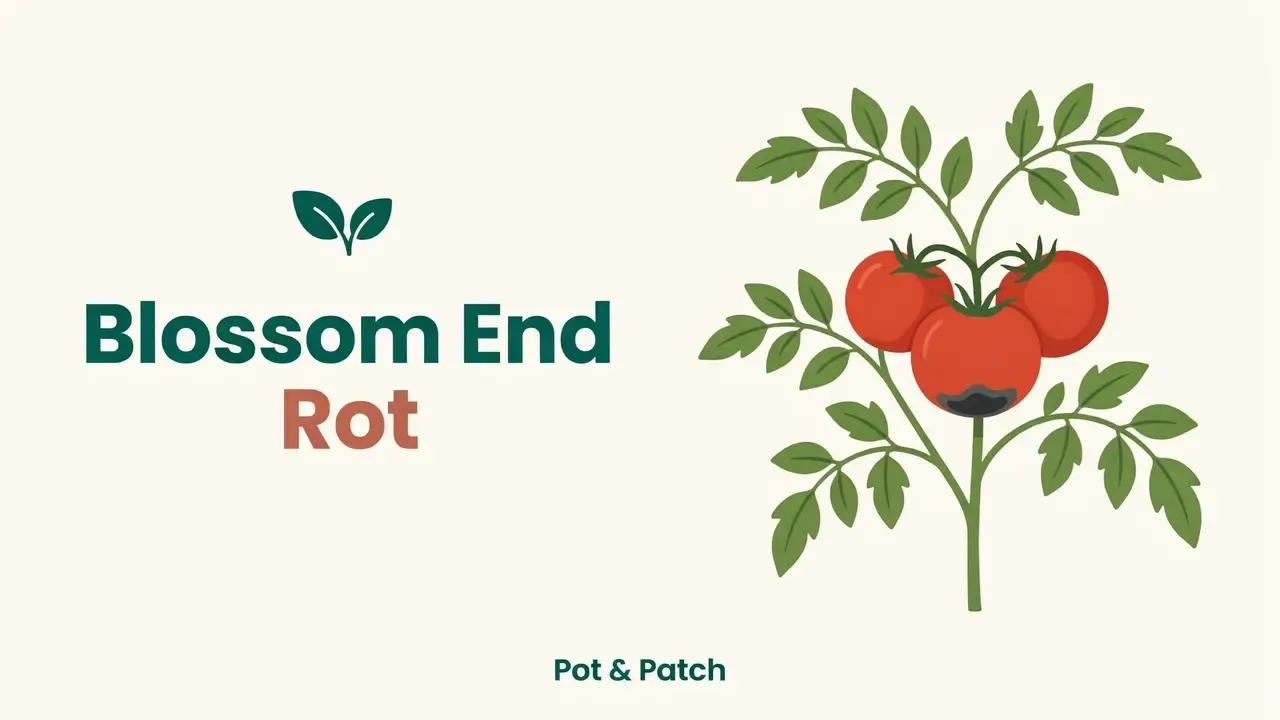
| Blossom-end rot | Dark, sunken damage on developing fruit | A fruit disorder, not a flower-drop problem |
| Flower disease | Abnormal spots, decay, or fungal growth | May involve an infectious cause |
Blossom-end rot is particularly easy to confuse with blossom drop because both names contain the word blossom.
However, they are different conditions.
If a tomato fruit develops a dark, sunken patch at its blossom end, read our blossom-end rot on tomatoes guide.
Frequently Asked Questions
Why Do Tomato Flowers Fall Off Before Producing Fruit?
High daytime temperatures, warm or cold nights, drought stress, excessive nitrogen, and unfavorable humidity can interfere with pollination and fruit development. Temperature stress is a particularly common cause during summer.
Why Are My Tomato Flowers Turning Brown?
Tomato flowers may turn brown as they dry and abort during unfavorable growing conditions. Heat stress is one possible explanation. If brown flowers also show fuzzy mold or unusual damage, investigate disease or pest problems.
What Causes Tomato Flowers to Die Before Opening?
Unopened buds may die because of temperature extremes, moisture stress, or other conditions affecting flower development. Check recent weather and overall plant health rather than assuming the buds simply need more pollination.
Can Too Much Heat Cause All Tomato Flowers to Fall Off?
Yes. Prolonged high temperatures can cause widespread flower abortion, sometimes affecting an entire cluster. Warm nights combined with hot days may be particularly disruptive. A healthy plant may resume fruit set when conditions improve.
Should I Remove Dead Tomato Flowers?
You usually do not need to remove individual dry blossoms affected by ordinary blossom drop. They commonly detach naturally. If flower tissue shows suspicious fungal growth or disease symptoms, remove affected material carefully and investigate the cause.
Does Epsom Salt Prevent Tomato Blossom Drop?
No reliable evidence shows that routinely adding Epsom salt prevents temperature-related blossom drop. Epsom salt supplies magnesium and sulfur, not a general cure for flower abortion. Avoid adding it unless a genuine nutrient need has been identified.
Will Hand Pollination Stop Blossom Drop?
Hand pollination may help when flowers receive insufficient natural vibration. It will not reliably prevent blossom drop caused by prolonged high temperatures, unfavorable humidity, or severe plant stress.
Can Overwatering Cause Tomato Flowers to Fall Off?
Prolonged waterlogging can damage roots and stress a tomato plant, potentially contributing to poor flowering and fruit development. However, do not diagnose overwatering from dropped blossoms alone. Check drainage and root-zone moisture.
Will My Tomato Plant Produce More Flowers After Blossom Drop?
Often, yes. Healthy tomato plants can produce new blossoms when conditions improve. Indeterminate varieties generally have a longer flowering period, while determinate varieties may have a more concentrated fruiting window.
Final Thoughts
Tomato flowers falling off can look alarming, but it often reflects temporary growing stress rather than a permanent problem.
Start by checking daytime and nighttime temperatures, then examine root-zone moisture, recent fertilizer applications, and growing conditions.
Do not rush to add more fertilizer or repeatedly hand-pollinate flowers during extreme heat. Focus on correcting the conditions you can control and protecting new blossoms.
For more help growing healthy tomatoes in small spaces, visit the Pot & Patch tomato gardening guides.